

Operations6 min read
Stor-Mor
See how Stor-Mor successfully scaled from manually tracking leads on spreadsheets to managing over 300 dealers.
In 2018, Casey Wiggins took a dealer out to dinner. They'd sold sheds for another company for about three years, and their best year was $120,000. The dealer's husband stared at Casey across the table the whole meal. Another shed guy, another promise, and no money in the business so far.
Casey's pitch wasn't a commission point. "If you'll take a chance on me, it's not about just the commissions and things. I'm gonna help you build a brand. I'm gonna help you build a business." Within the first year, that lot was one of United Portable Buildings' top locations. By year three it was doing $2 million a year in new shed sales.
That's the gap this post is about. Year-end is when dealers decide who they're sticking with. Another manufacturer walks onto the lot, offers one more point of commission, and a dealer you spent two years on is gone. If your dealer network feels like a revolving door, the problem usually isn't the commission.
Casey has seen both sides. He started as a Graceland Portable Buildings dealer in Mississippi, ran a shed hauling business, then founded United Portable Buildings in Texas and sold it in 2024. Today he trains shed salespeople as the Shed Expert. On this webinar with Shed Suite CEO Jason Graber, he laid out how he recruits a dealer, what keeps them from shopping around, and where the leads come from that keep a lot busy.
The full recording is embedded below. The written guide continues after it.
Casey's first point is about mindset. Most sales reps show up at a dealer's lot with a manufacturer's question: "How much are you gonna sell for me every month?" Casey showed up with a dealer's memory.
"Once we started communicating in the first five to 10 minutes, they saw it," he said. "Their light bulb was on, like, 'Oh, this guy understands me.'"
He understood the months a dealer worries about paying the bills, the budget they're trying to put together, the good days and the bad ones. A rep who has never run a lot can't offer that.
Put new reps on a lot for 30 days
Casey's rule for every sales rep he trains: spend about 30 days running a dealer location before you recruit anyone. Two weeks at one lot and two weeks at another works. So does 30 days at one.
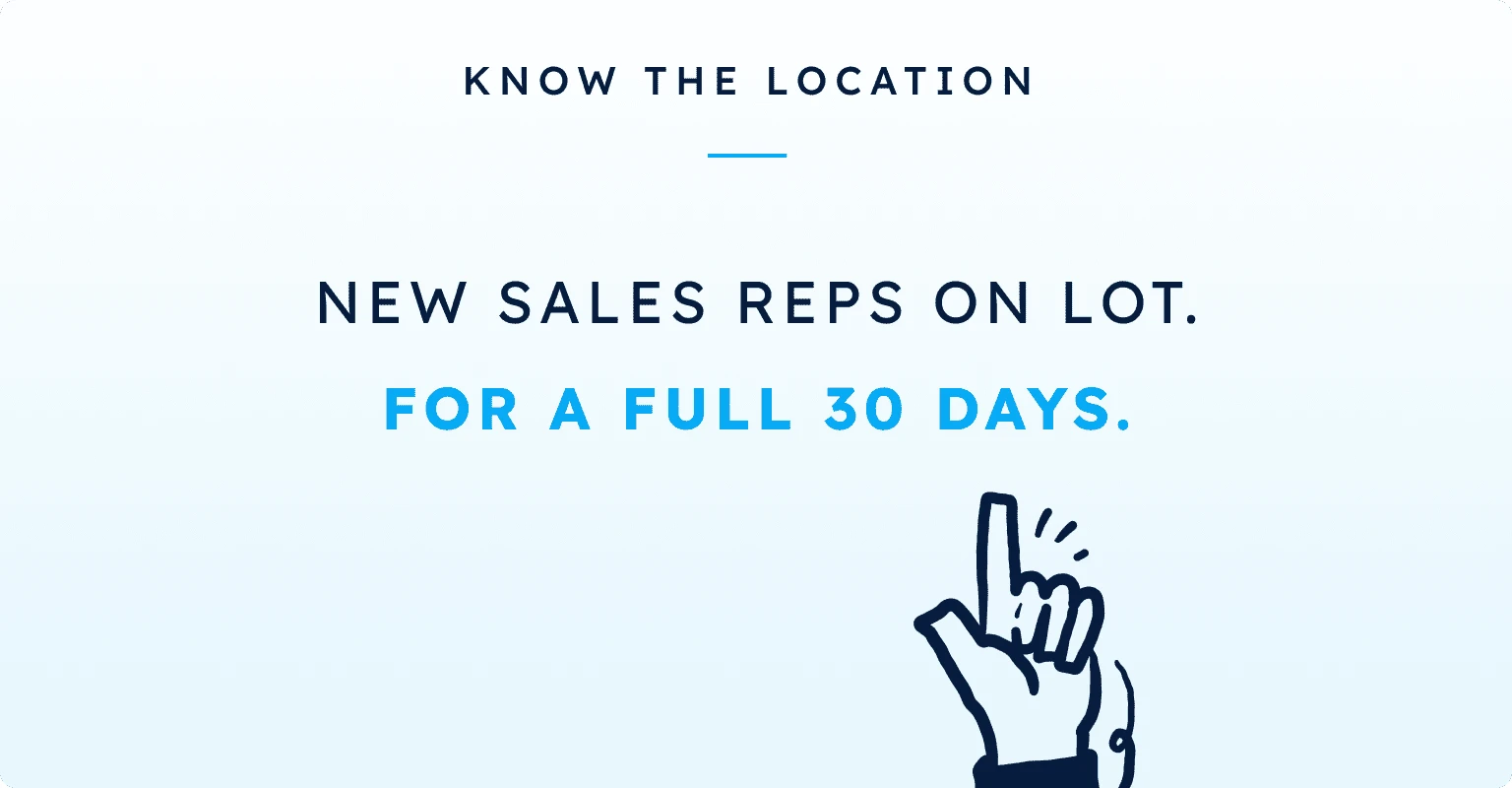
"I know it's a long time and people are like, 'Man, that's a long training cycle,'" he said. "But 30 days in a location gives you a one-month snapshot of just a day-to-day what a dealer's challenges are."
The rep learns what the traffic looks like, what the customer flow looks like, and what the dealer thinks about all day. That's what lets them have the conversations a manufacturer's rep usually skips.
Bridge the two sides, and be honest about no
The goal isn't to become a pushover. It's to make the dealer feel like the manufacturer gets them, and to mean it.
"We can't say yes to everything that you want, but here's why we can't, and we have a relationship where we're gonna talk to you, interact with you, and we're gonna help you grow your business," Casey said. "And by you growing your business, you're gonna help us grow our business as well."
Jason asked when an owner should hand dealer relationships to a sales manager. Casey ran that role himself for about the first four years of United Portable Buildings. Once the company had two shops serving two regions, he couldn't keep his hands on every rep relationship.
His fix was a monthly one-hour video call with the whole sales team: sales numbers, anything they wanted to raise, and a few things to celebrate.
His warning for owners who hire a sales manager: don't do it on hype. "You wanna bring people in that are gonna be in line with your vision, your culture of your business," he said. A rep who came recommended but doesn't share your vision can cost you the culture that made dealers stay.
What went into the $2 million lot
The dealer Casey met in 2018 had a weak location and a $120,000 ceiling. What they had was personality, passion, and drive. Casey bet on that and supplied the rest:
Sell the plan, not the commission
"Anybody can kinda do that," Casey said of the standard recruiting pitch: pay 13, 14, or 15 percent, better than what they make now, and promise more sheds.
His pitch starts with the dealer's goals. Pay off debt. Cover the kids' college. Build retirement. Build the business and sell it. "What is it? And we're gonna come in here, we're gonna help you do that."
Teach them the whole business
Casey teaches dealers the RTO side, the manufacturing side, and the hauling side. A dealer who understands why the RTO company needs what it needs, or why the shop can't turn a custom order in a week, stops treating those groups as obstacles. "Let's be fair to those guys. Those guys are also an intricate part of this business."
Care about people and results, both
"There's a difference between caring about people and caring about results, and you can bridge the both of them together," Casey said. Sales numbers and KPIs (the handful of numbers you track to know if the business is healthy) matter. He teaches a whole lesson on knowing your numbers, one version for dealers and one for manufacturers. But the numbers don't create loyalty on their own.
Fifteen years in, dealers from his early days still call him. He credits the mom-and-pop mentality the industry was built on. "We can't forget relationship, which creates loyalty from people when they genuinely feel like you care about them."
Jason's version: people want to do business with people. A text or a call asking how someone is doing is real in a way nothing automated is. And turnover is one of the most expensive things in a shed business. Every dealer you churn means retraining, plus inventory hauled from one lot to the next.
Ask the question the other rep never asks
Casey pulled 10-year dealers away from competitors without a bigger commission. He'd sit with them and ask, "How often do you see your sales rep?"
The answer was usually once every three or four months. Then: what does he provide, does he check on you? "The dealer all of a sudden has this epiphany like, 'You know, no one does check on me really. No one is seeing how I'm doing.'"
Casey's question for anyone with a dealer network: how often are you tagging in with your people? If a competitor can win your dealer by showing up, the fix is to show up.
Hold quarterly dealer meetings, in person
For six or seven years, United Portable Buildings held a mandatory in-person meeting with every dealer each quarter. A hotel conference room, catered lunch, and a rundown of everything from that quarter: new, old, industry news, whatever was going on.
"They felt like they were part of our business," Casey said. "And they were." Dealer input from those meetings went into the company's plans.
Jason added the number that used to be normal: 80 percent of a manufacturer's dealers not performing, with 20 percent carrying the load. That's inventory sitting on lots that cost you money, and dealers who could produce if someone invested in them. Fewer, better dealers are easier to invest in.
Shed Suite gives your team the leads, follow-up, and order pipeline this article describes — all in one place, trusted by 2,800+ shed businesses.
Book a DemoCasey once walked into a dealer he'd set up the year before and found a PlayStation 5 and a TV in the office. "It gets slow in here," the dealer said. Casey made him a deal: let me mentor you, and you'll never have time for it again. He hasn't since.
A manufacturer with $150,000 to $300,000 of inventory on a lot needs that location working. And a dealer trained as an order taker doesn't know what else to do when the drive-by traffic slows. Casey calls the answer outside sales training.
Facebook Marketplace, with the numbers
Marketplace is 75 percent of sales for most dealers Casey talks to, almost across the board. What separates the top lots is volume and upkeep.
His challenge to the manufacturers on the call was separate from that estimate. Picture every one of your dealers selling two or three extra sheds a month from this kind of work. That's the reason to train it.
HOAs, parks and rec, schools, churches
Casey hands dealers a cheat sheet of all of it. His instruction: start in January and do it every week.
Business-to-business referrals
Home builders and real estate agents know who's moving in and out. Casey tells agents he'll pay 2 percent on referrals. A dealer earning 10, 12, or 14 percent commission gives up 2 or 3 points on a referred sale. If that agent sends 8 to 10 sales a year, the math works.
Get off the lot
Jason's addition: join the chamber of commerce and a few BNI chapters (a business referral networking group). You'll be the only shed person in the room. Pest control, pool cleaning, and roof washing companies trade leads in those groups, and a shed dealer is a service business too. Get someone to watch the lot for an hour.

Casey's version of getting off the lot:
The pop-up shed lot
Jason asked the obvious follow-up: what if you brought a shed? He was upfront that it takes more work and can cost money. Casey laughed, because that's his newest model. He calls it a pop-up shed lot. One company is already running it and another is setting it up.
Have your driver load two or three small buildings on a Saturday and set up at a hardware store or garden center. Two weeks ahead, promote it on the dealer's Facebook page and in every local buy, sell, trade group. Free water, maybe hot dogs, and the offer: these sheds get delivered today.
The canopy setup is the version for a small rural lot with no ad budget. The pop-up lot is the version for a dealer who can put a driver and three buildings on the road. As Jason put it, you spend money or you spend effort.
Jason had a marketing agency owner research the shed industry before this call. The agency owner's conclusion: shed dealers "are virtually invisible to the internet." He couldn't find them. If a customer can't either, the only traffic a lot gets is drive-by.
Casey's estimate, from the dealers he works with through shed companies: 80 to 85 percent don't have a legitimate online presence. Last month he asked a dealer what phone number was on their Google Business listing. They didn't know. It was a competitor's number, and somebody else had been getting their calls.
His first step with any client is what he calls a tune-up: a Google Business profile with the right phone number, a Facebook page with a cover photo that isn't a stretched low-resolution JPEG, and a website. Manufacturers hire him to check every location.
An attendee asked what a manufacturer can hand dealers to make Marketplace and local outreach easier. Casey's two answers.
A shared content folder
Set up a Google Drive folder and share it with every dealer: good photos and video from the shop. Lack of content is the number one complaint Casey hears from salespeople, since Facebook won't let them reuse the same images. Some manufacturers go further with a folder per building, a 10 by 16 lofted barn for example, with the ad copy already written. The dealer plugs in their location and posts.
"I'm not saying do all the work for them," Casey said.
A boost reimbursement
A couple of Casey's clients reimburse dealers for boosting Marketplace posts. Spend $100 this week, up to a monthly cap, send the receipts from Facebook, and get it back. Your marketing dollars go into the dealer's own posts. Start at $100 or $200 a month.
All of that outreach produces follow-up work, and a lot of it. Jason's point: once a dealer has outbound lead generation and follow-up running at the same time, there's more than one person can track. A CRM built for shed sales, like Shed Suite CRM, keeps the Marketplace messages, quotes, and callbacks in one place so they don't get lost.
A dealer stays because someone shows up, understands their month, and helps them grow a business. Not because the commission is a point higher. Casey built a $2 million location out of a $120,000 one that way, and kept dealers for years with a quarterly lunch and a monthly call.
Most manufacturers still recruit on commission and check in every three or four months. That's the gap a competitor walks through at year-end.
Next step: pick your three best dealers and put a date on the calendar this month to sit down with each one in person. Ask what their goals are for next year, and what you can take off their plate.
What a customer really costs, what a healthy return on ad spend looks like, where budget leaks, and how to show up when buyers ask AI instead of Google.
A $40M custom home builder on why he wins as the highest bid, and how shed dealers can sell their best models without cutting the price.
Toli Marchuk and Jason Graber on what an AI agent is, the two tools to start with, and the automations a shed dealer can switch on with no developer.
See how real shed businesses scale and simplify with Shed Suite.
See how Stor-Mor successfully scaled from manually tracking leads on spreadsheets to managing over 300 dealers.
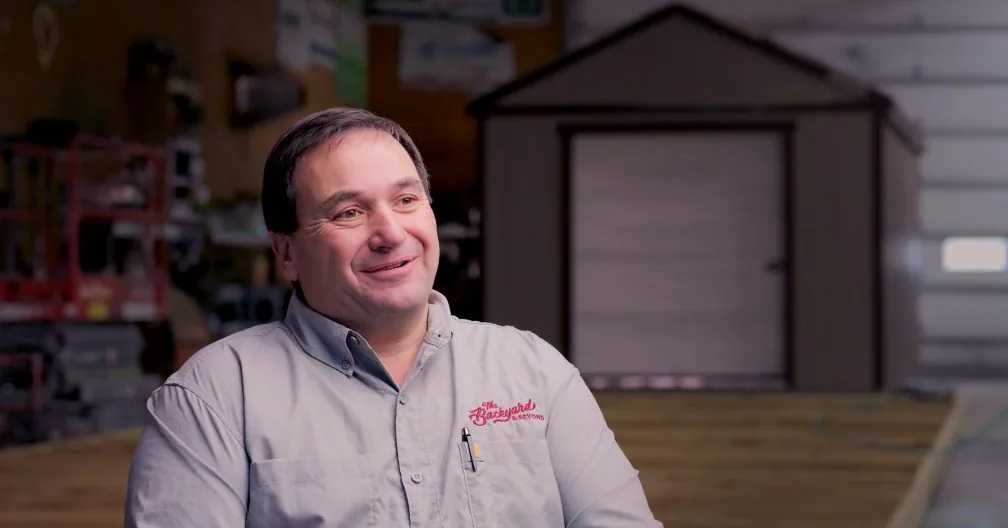
See how Backyard unified their e-commerce sales, inventory, and delivery teams using Shed Suite's all-in-one platform.
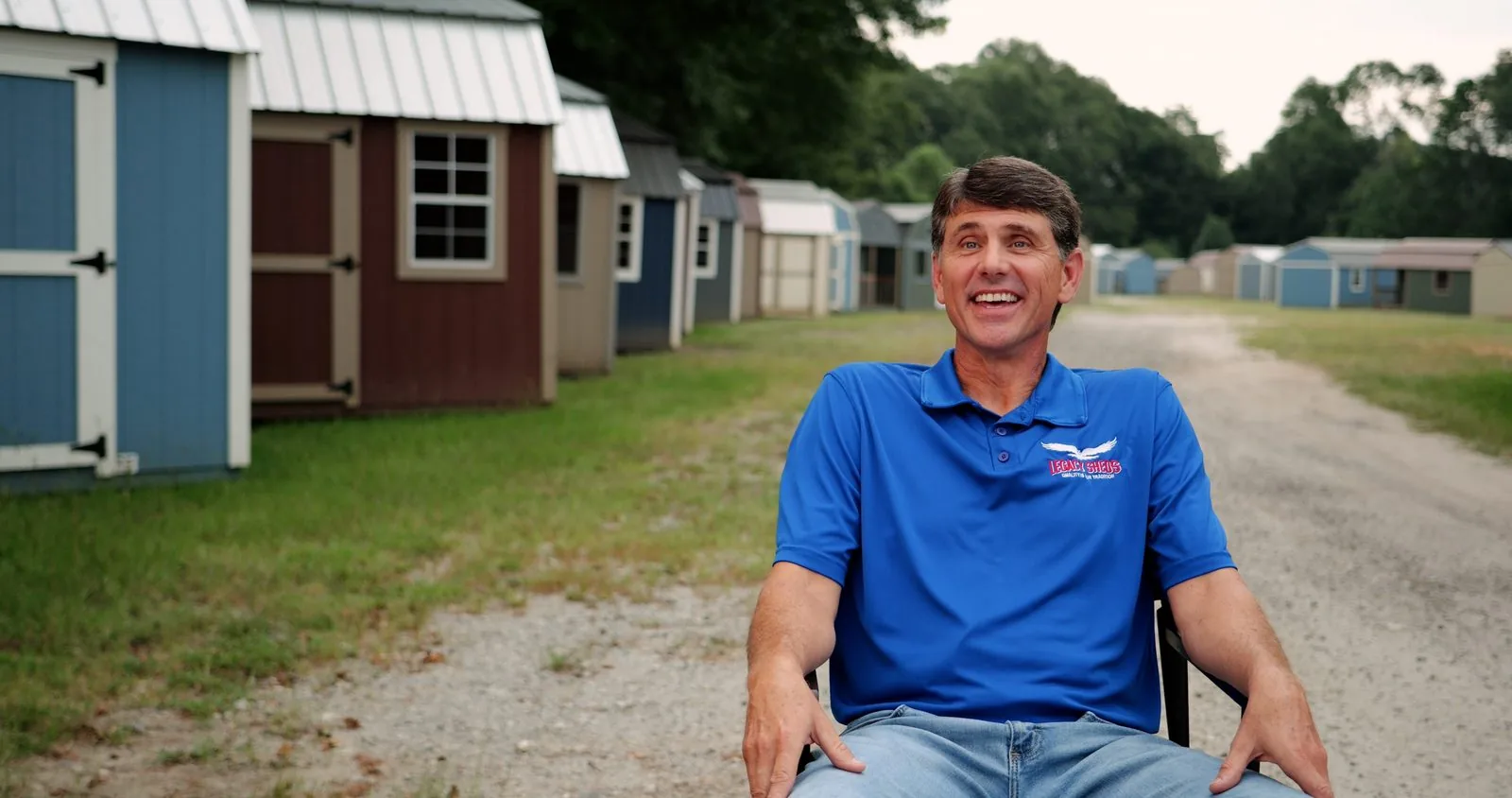
See how Legacy successfully automated sales, simplified inventory management, and improved delivery tracking to scale seamlessly.
Shed Suite clients see an average growth of 81% in their first year.
See how we do it — book a 30-minute demo.
Average sales growth across all Shed Suite clients, the 12 months before vs. after joining Shed Suite. As of 2026.
“We come from the shed industry and built this for y’all. We’d love to show you what we do, how it works, and how it’ll make every team member’s life so much easier and smoother.”

Jason Graber
Shed Suite Founder