
Operations6 min read
Stor-Mor
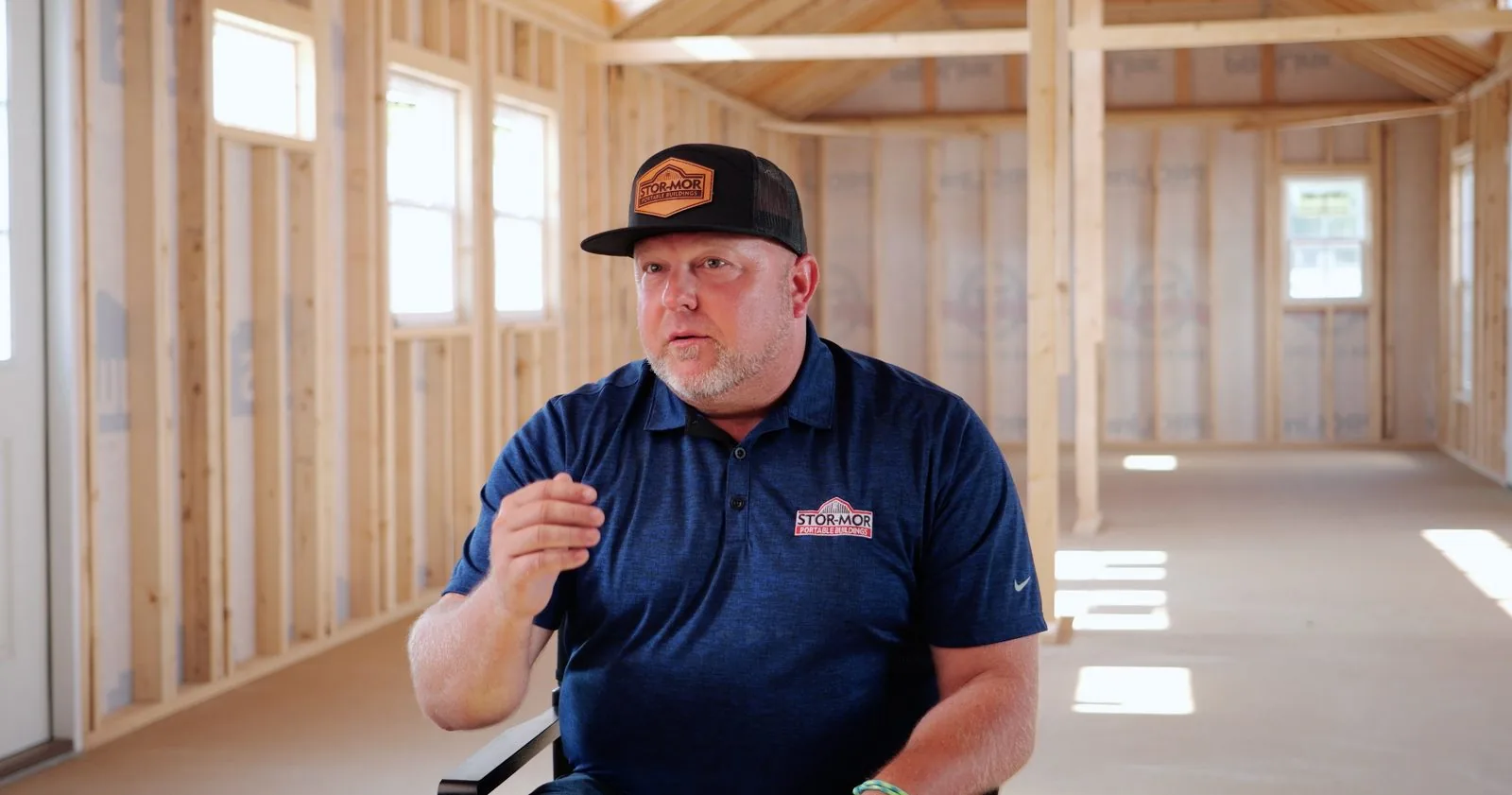
See how Stor-Mor successfully scaled from manually tracking leads on spreadsheets to managing over 300 dealers.
The key to a successful venture in the shed industry starts with the right business model. It's the backbone of your operation, defining your business's core structure and strategies.
In this guide, "Business Models in the Shed Industry: Finding Your Fit," you'll:
By understanding the distinctive characteristics and implications of each business model, you can make an informed choice that aligns with your goals, skills, and resources. This guide aims to provide the necessary insights and guidance to support that crucial decision.
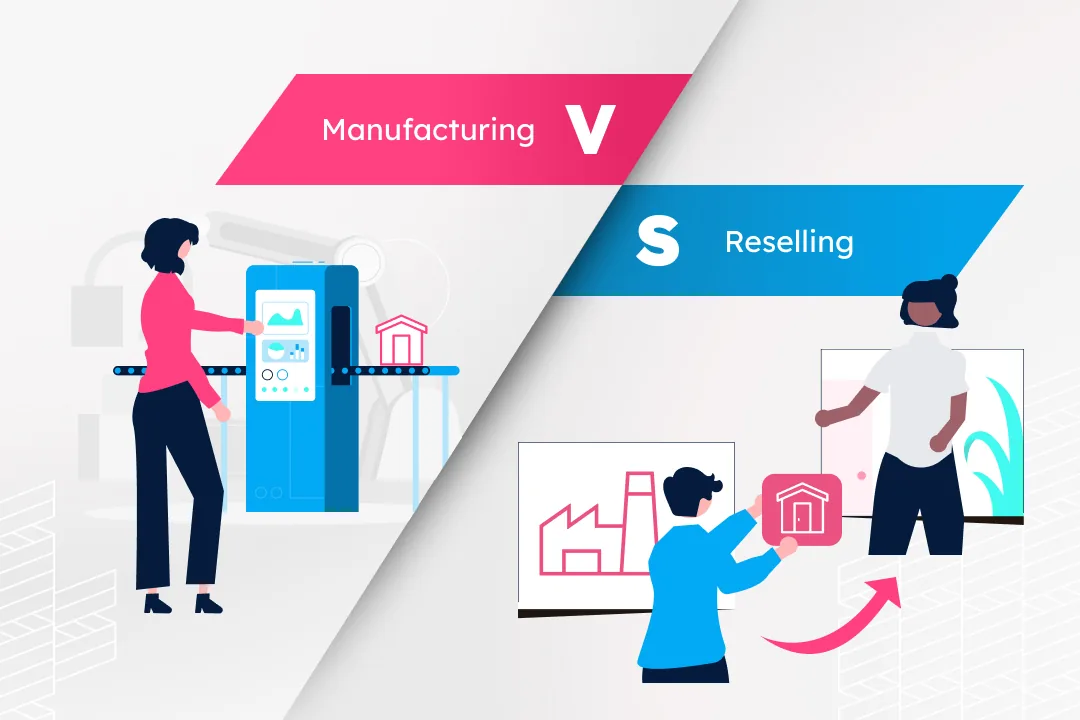
When you're setting up your shed business, one of the first decisions you'll need to make is whether you'll manufacture your own sheds or resell sheds from other manufacturers. Both have their advantages and challenges, and the best fit for you will depend on your available resources, your desired level of control over the product, and your business goals.
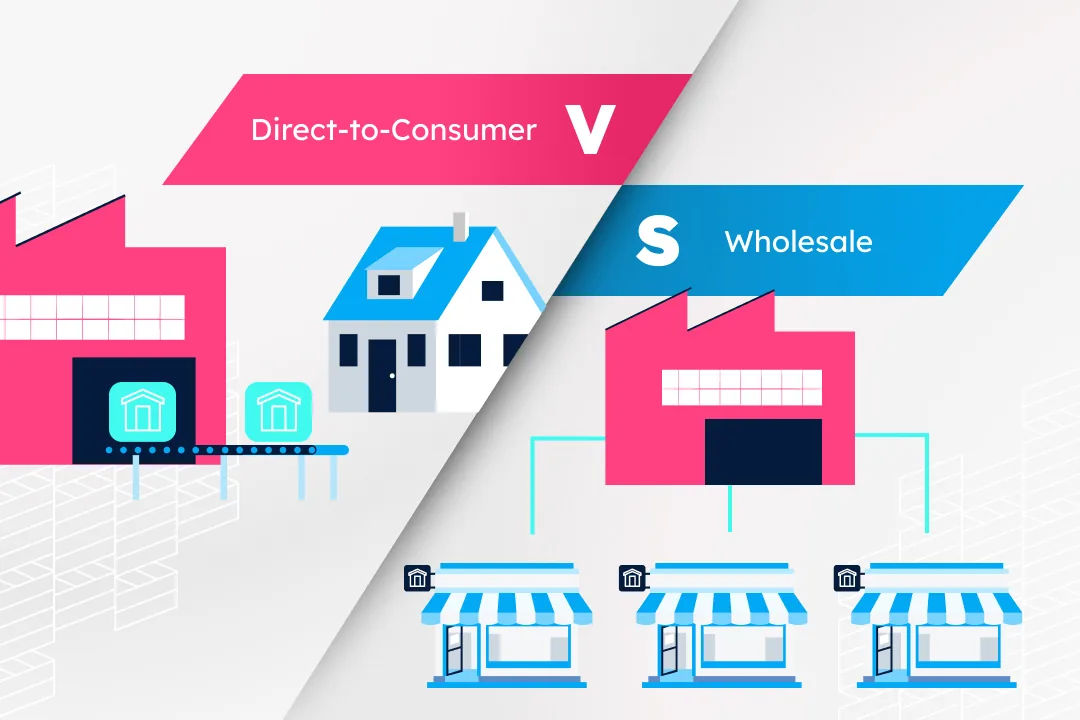
Once you've determined your product's source (manufacturing or reselling), you'll need to decide on your target market. Your choices largely boil down to two main models: direct-to-consumer and wholesale.
It's important to note that these models aren't mutually exclusive. Many businesses find success with a mixed model, selling both directly to consumers and wholesale to other businesses. However, each model has unique requirements and challenges, so a thorough evaluation of your resources and goals is crucial. Remember, every business is unique, and the best choice is the one that aligns with your business' specific circumstances and objectives.
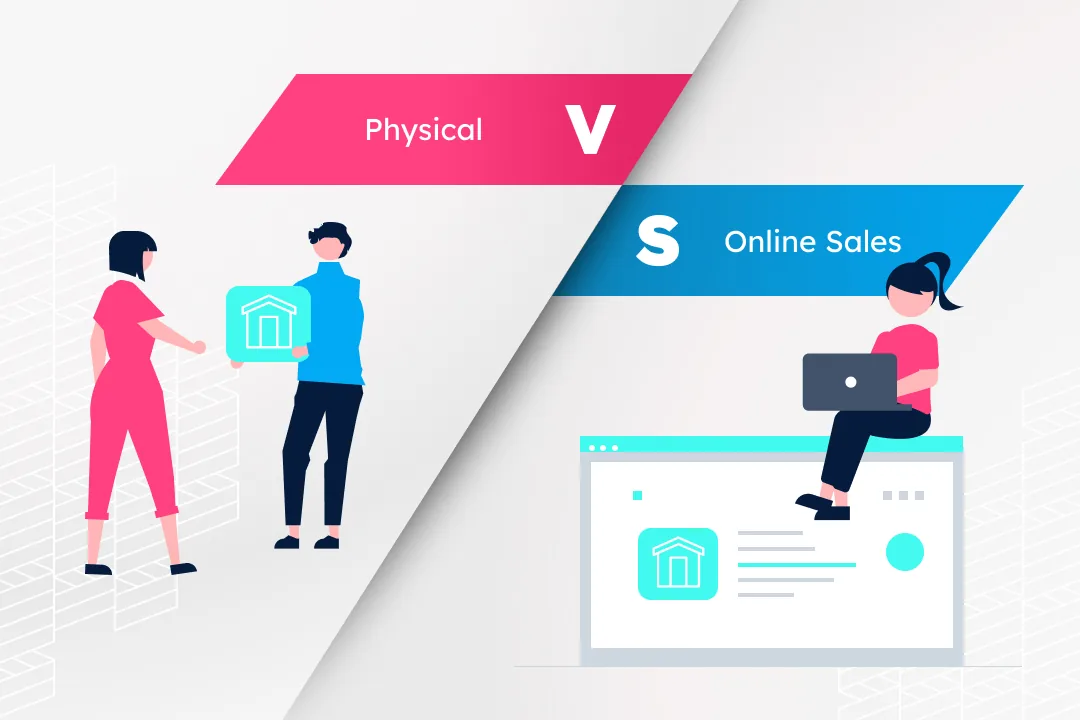
Choosing between operating a physical store and selling sheds online is a major decision that can greatly impact your business's trajectory. Each approach has its advantages and potential challenges.
Physical Sales
Engaging customers in a physical sales environment presents unique opportunities. Here, customers can personally interact with products, giving them a tangible feel for what they're investing in.
Benefits:
Challenges:
Online Sales
On the other hand, the digital marketplace has revolutionized how products are sold, including sheds. An online platform can vastly broaden your business's reach and provide convenience to customers.
Benefits:
Challenges:
Hybrid Model: Combining Physical and Online Sales
Embracing a hybrid model that incorporates both physical and online sales can potentially harness the benefits of each, allowing your shed business to reach a wider audience while still offering the tangible customer experience associated with physical stores.
Benefits:
Challenges:
In the end, a hybrid model can offer an excellent balance for a shed business, allowing you to reach a wider audience while maintaining the ability to provide personal customer experiences. However, it's vital to remember that a hybrid model requires a strategic approach to manage both physical and online operations without overstretching yourself, your team, or your resources.
Ultimately, the choice between physical and online sales, or a hybrid model, is not a one-size-fits-all decision. Consider your business's unique circumstances, including your target customer, the types of sheds you sell, your resources, and the customer experience you want to provide.
Shed Suite gives your team the leads, follow-up, and order pipeline this article describes — all in one place, trusted by 2,800+ shed businesses.
Book a Demo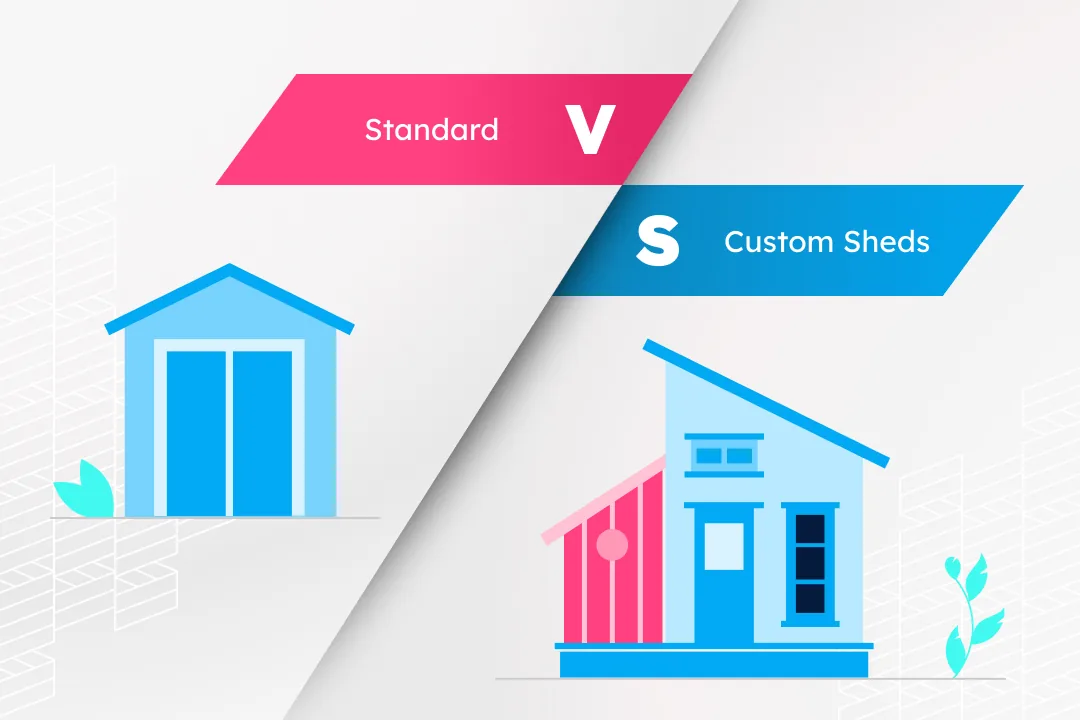
Choosing whether to offer standard shed models or to provide custom-designed sheds is another significant decision when carving out your niche in the shed business. This choice often relies heavily on the resources, skills, and demand within your target market.
Standard Sheds
Standard sheds refer to pre-designed, ready-to-install models. They are popular among customers seeking quick solutions and are generally less expensive to produce due to the predictability and economies of scale.
Benefits:
Challenges:
For example if you want to track material costs and develop BOMs (Bill of Materials) for each model you must limit the number of options the customer has when placing an order. If you are not tracking materials and costs that closely, you can offer the customer unlimited options when it comes to how the shed is constructed.
Custom Sheds
On the other end of the spectrum, custom sheds are designed and built to meet unique customer specifications. While this model can require more skilled labor and has higher costs, it allows for a more personalized customer experience and a product that stands out from the competition.
Benefits:
Challenges:
Whether you choose to offer standard or custom sheds, or a mix of both, largely depends on your target market's demand, your team's skills, and your capacity to handle the associated costs and customer service requirements.
Contract Shops
A Contract Shop in the shed industry acts as a dedicated construction partner, usually exclusively building sheds for a specific shed brand. It focuses on manufacturing, closely following the brand's designs and quality standards. This type of shop operates purely in a production capacity, without engaging in retail sales, ensuring that all sheds produced are consistent with the brand's identity and specifications. As a behind-the-scenes producer, the Contract Shop plays a key role in materializing the brand's designs into tangible products for the market.
Benefits:
Challenges:
Consignment Dealers
A Consignment Dealer in the shed industry operates by showcasing and selling sheds on behalf of manufacturers or brands, without owning the inventory themselves. This business model involves the dealer displaying various sheds at their location, where potential customers can view and choose them. The manufacturer retains ownership of the sheds until they are sold. The dealer earns a commission or a portion of the sales revenue for each shed sold.
This arrangement allows dealers to offer a wide range of sheds without the upfront costs of purchasing inventory, while manufacturers benefit from expanded market reach and visibility without the need for their own retail space. Consignment Dealers play a crucial role in bridging the gap between shed manufacturers and customers, providing a physical space for customers to explore options and make informed purchasing decisions.
Benefits:
Challenges:
Wholesale Dealer
A Wholesale Dealer in the shed industry operates by purchasing sheds in bulk from builders, then branding these sheds under their own label before selling them to customers. This business model allows the dealer to leverage economies of scale, acquiring sheds at a lower cost due to bulk purchasing. Once acquired, the sheds are rebranded, giving the dealer the opportunity to establish their own brand identity in the marketplace.
This approach not only enables the dealer to control pricing and marketing strategies but also allows for customization or additional features to be added under their brand, enhancing the product's appeal. The wholesale dealer serves as a critical intermediary, adding value to the basic shed structures and catering to the specific needs and preferences of their customer base, often providing additional services like delivery, installation, or after-sales support.
Benefits:
Challenges:
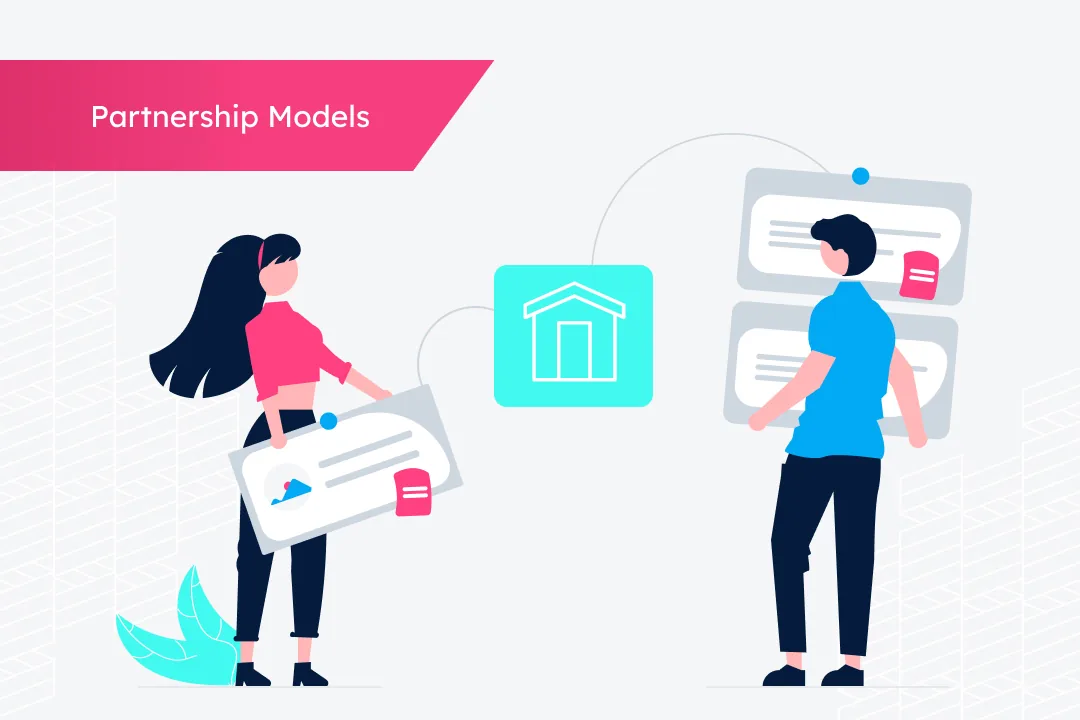
Strategic partnerships can be a powerful way for shed businesses to extend their reach, improve their offerings, and increase profitability. By partnering with complementary businesses, a shed company can leverage shared resources and capabilities.
Understanding Partnership Models
A strategic partnership involves two or more businesses collaborating for mutual benefit. This could mean sharing resources, technology, or customer bases. In the shed industry, partnerships could be formed with hardware stores, home improvement businesses, landscaping companies, and even real estate developers.
Benefits:
Challenges:
Strategic partnerships can take many forms in the shed business industry, and here are a couple of examples:
By forming strategic partnerships, shed businesses can leverage shared resources and expertise, potentially leading to increased growth and profitability. However, the success of a partnership depends heavily on finding the right partners and managing the relationship effectively.
In conclusion, your choice of business model will significantly influence the trajectory of your shed business. This choice should align with your personal goals, skills, and resources to set the stage for success. As we've explored, each model—whether it's manufacturing vs. reselling, direct-to-consumer vs. wholesale, physical vs. online sales, standard vs. custom sheds, franchising, or creating strategic partnerships—presents unique opportunities and challenges.
Let's review some key points:
Keep in mind that no single model guarantees success, and many businesses blend elements from different models. The right choice will depend on various factors, including your market, competition, and, importantly, your personal vision for your business.
Starting a shed business is an exciting venture. It's essential to thoroughly research and understand each business model, considering their implications for your specific situation and goals. This understanding will help you lay the foundation for a shed business that not only survives but thrives in the competitive market.
Good luck as you find your fit in the shed business industry!
Casey Wiggins ran a lot before he ran a shed factory. His playbook for turning a dealer from first contact into a partner who stays, and keeping them busy.
What a customer really costs, what a healthy return on ad spend looks like, where budget leaks, and how to show up when buyers ask AI instead of Google.
A $40M custom home builder on why he wins as the highest bid, and how shed dealers can sell their best models without cutting the price.
See how real shed businesses scale and simplify with Shed Suite.
See how Stor-Mor successfully scaled from manually tracking leads on spreadsheets to managing over 300 dealers.
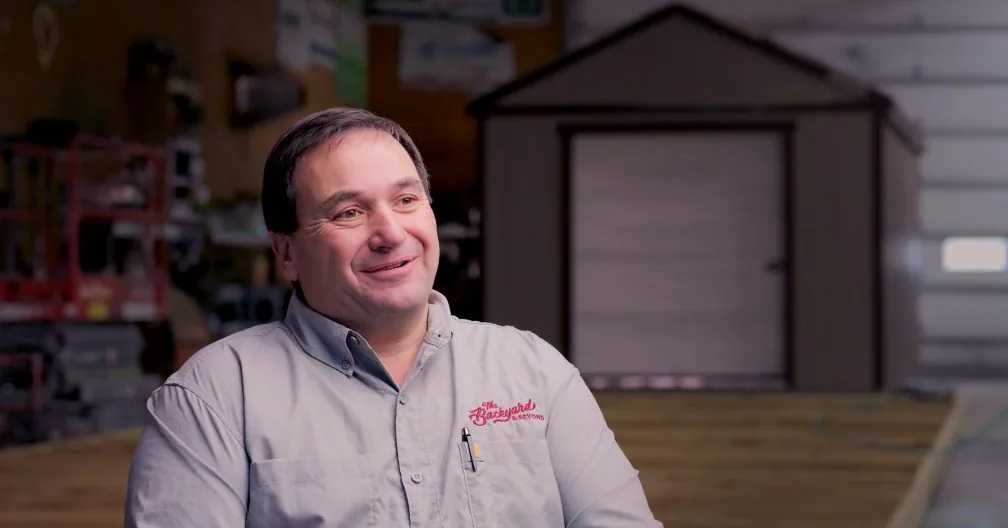
See how Backyard unified their e-commerce sales, inventory, and delivery teams using Shed Suite's all-in-one platform.
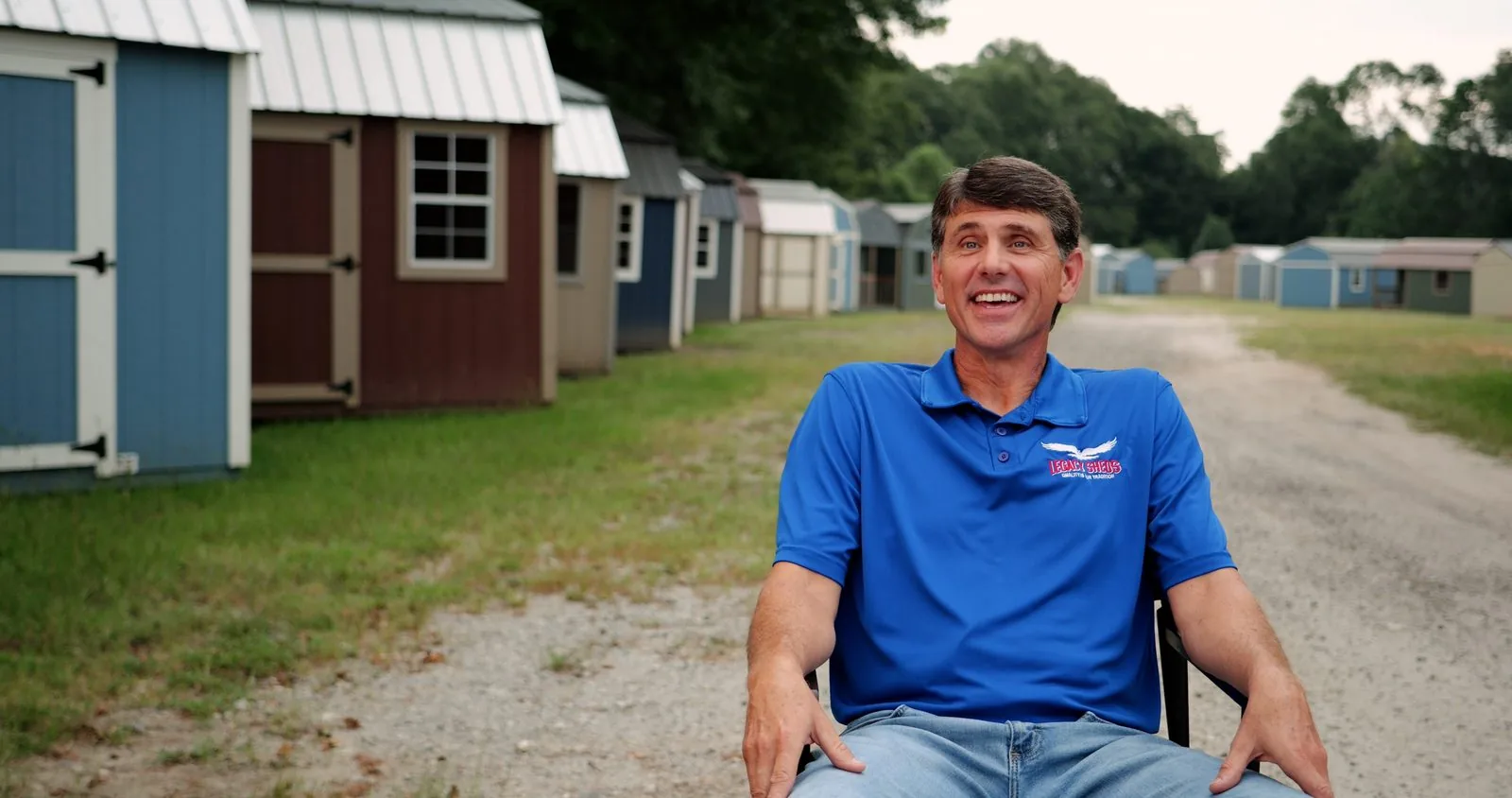
See how Legacy successfully automated sales, simplified inventory management, and improved delivery tracking to scale seamlessly.
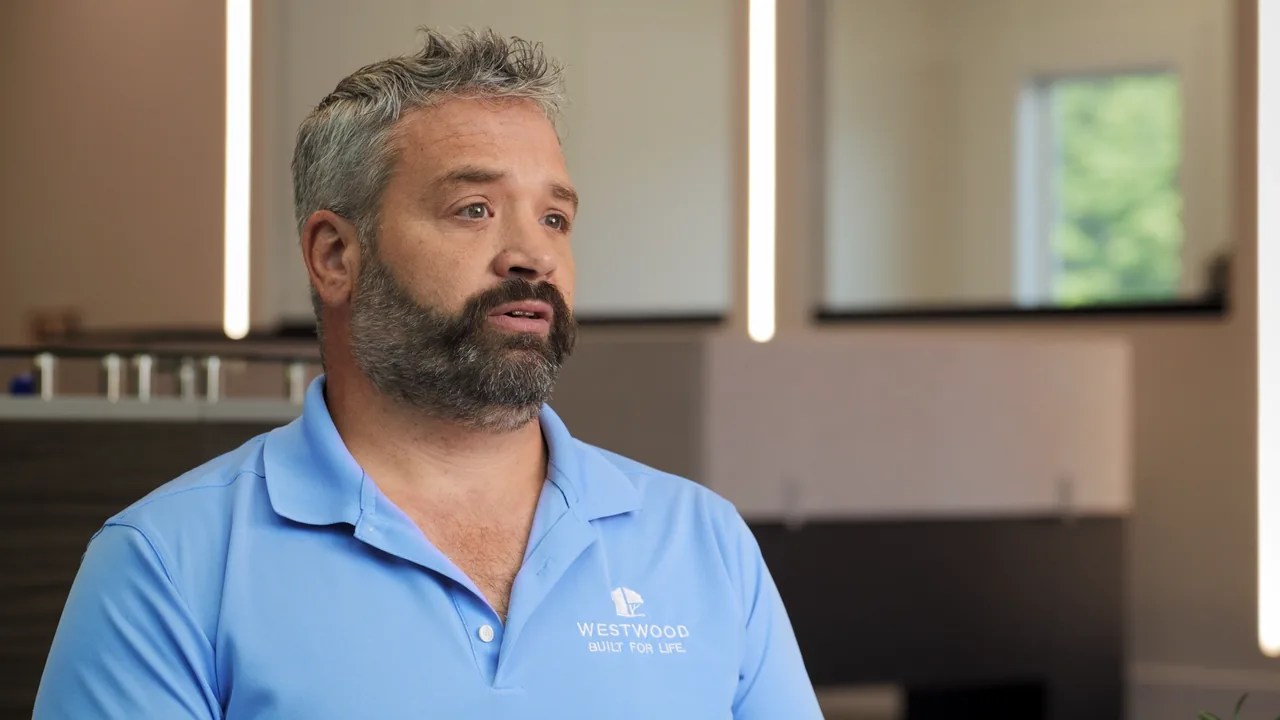
See how Westwood Sheds replaced spreadsheets and PDF order forms with Shed Suite, then grew to 11 sales locations across two states.
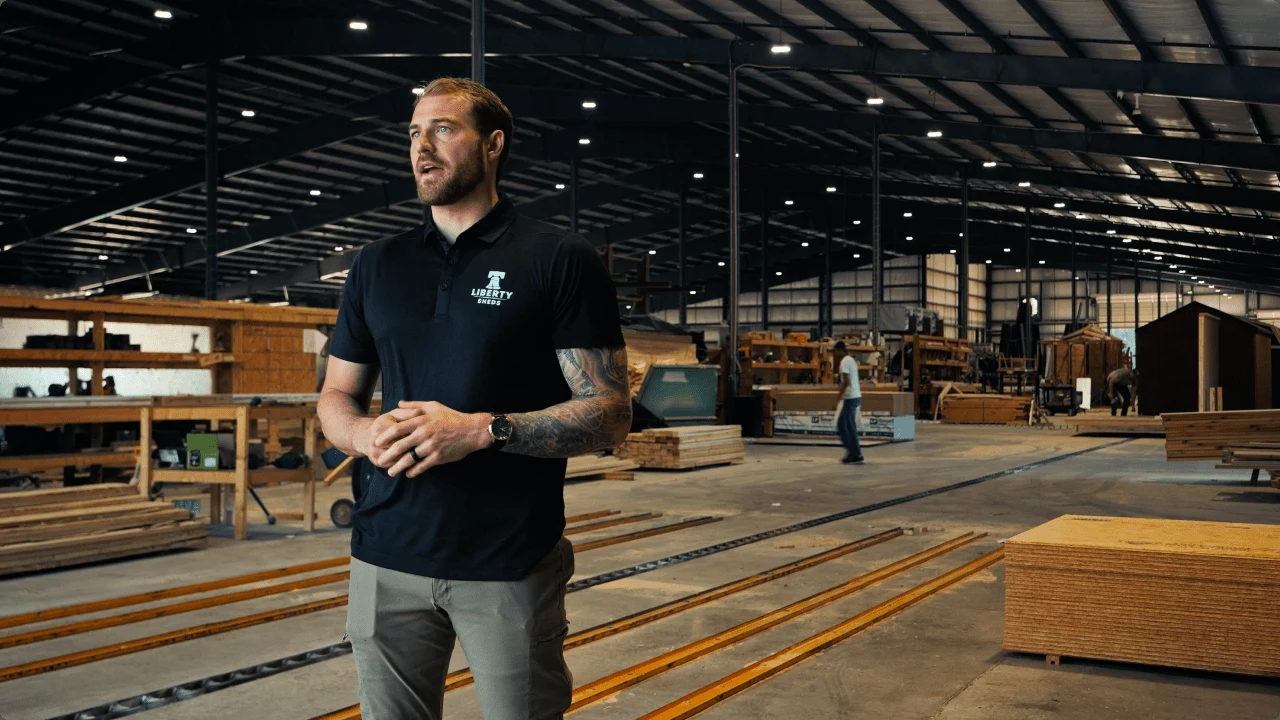
See how Liberty Sheds put sales, production, customer success, and dispatch on one system. Now they close sales remotely and reconcile inventory by running a report.
Shed Suite clients see an average growth of 81% in their first year.
See how we do it — book a 30-minute demo.
Average sales growth across all Shed Suite clients, the 12 months before vs. after joining Shed Suite. As of 2026.
“We come from the shed industry and built this for y’all. We’d love to show you what we do, how it works, and how it’ll make every team member’s life so much easier and smoother.”

Jason Graber
Shed Suite Founder