



Operations6 min read
Stor-Mor
See how Stor-Mor successfully scaled from manually tracking leads on spreadsheets to managing over 300 dealers.
Car dealers spent heavily tracking showroom activity. Michael Lindenau, a former head architect at autotrader.com, remembers the gap online: “Astronomical, okay? And then crickets on their second shop floor, which is their website.”
How many people walked onto your lot last week? How many more landed on your website? That’s Michael’s comparison, and it deserves the same attention in a shed business built around drive-by traffic and lot visits.
In this conversation with Shed Suite CEO Jason Graber, Michael shares what he learned taking car sales online. You’ll learn how to map the buying journey, find where buyers drop off, and remove the obstacles your own process adds.
The full recording is at the top of this page. The written guide below covers the conversation section by section.
Separate the buyer’s decision from your process
Start with someone who already wants a shed. Michael separates what makes buying difficult into two buckets:
You can help someone understand the building and feel comfortable buying from you. You can’t make every buyer want your shed.
Your own process deserves a closer look. Michael spent much of his time in automotive working on the obstacles sellers added.
“The last thing you want is to take someone that wants that shed, wants it from you, and then they just can’t get through or they hate getting through your process.”
Let the transaction start online
Michael’s starting point is to “crush starting the transaction” on the website. You don’t need every buyer to complete the whole purchase online before that work matters.
Give someone a way to begin. If they need help from your team to finish, your in-person sales process can support the purchase.
Michael’s question for the seller is direct: “What in my process do I need to change or implement to be able to sell online?”
Give online activity the same attention
On the lot, you can see someone looking at a building. You can talk with them, answer a question, and learn what they need next.
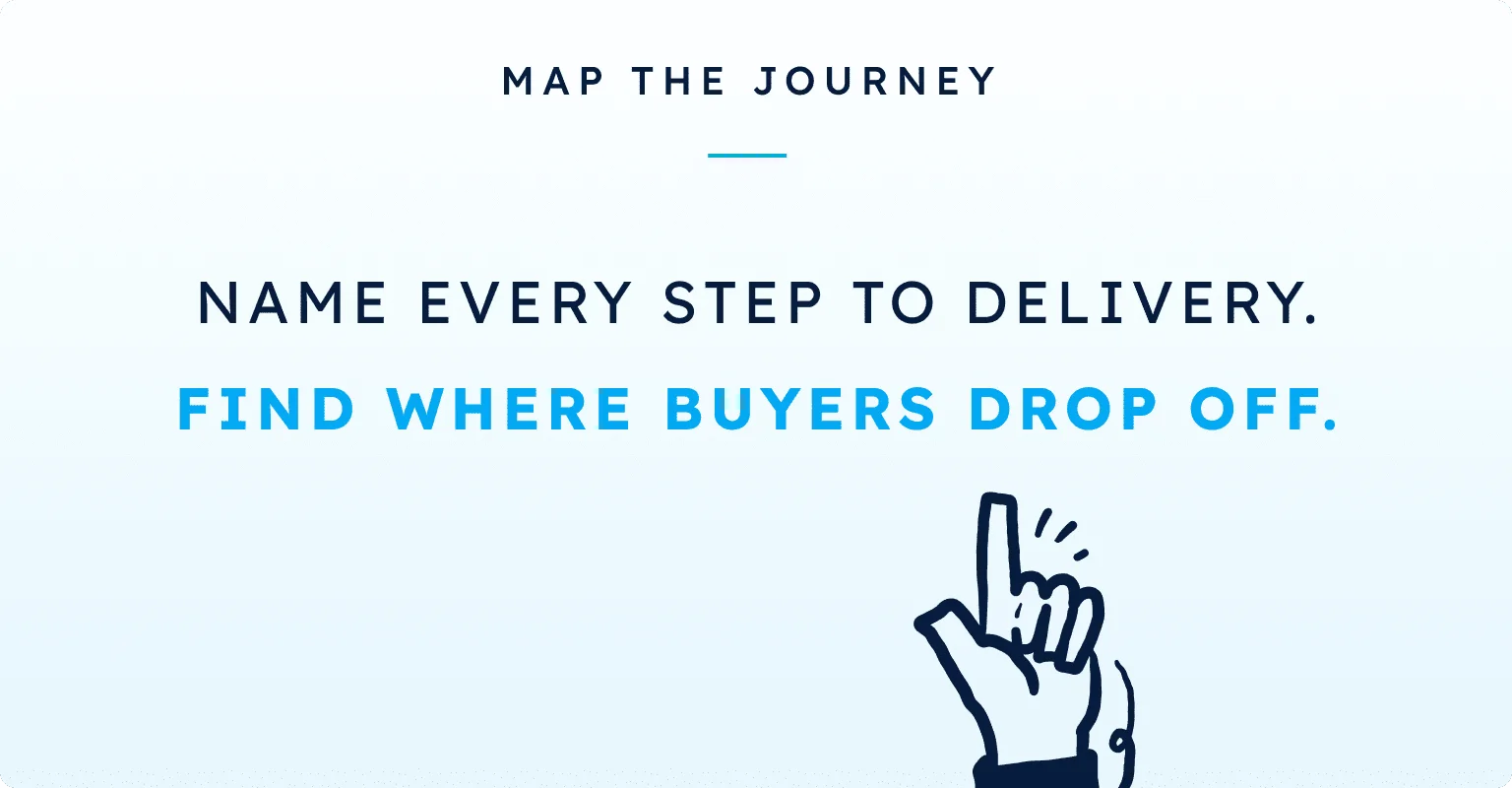
Your website needs its own way of showing you that progress. Track the steps between someone’s first reach-out and the close so you can see the touch points.
Michael’s assessment: “It’s table stakes.”
An online buying path gives someone a way to begin a meaningful relationship with your business. It matters even when the full transaction happens somewhere else.
Keep following the buyer after the first touch
Someone shops online and buys on the lot. Someone else walks through the lot and later buys through your website.
Jason raises the question of attribution: how do you know which source brought the sale?
Tracking tags and funnels can help you record where visitors come from and which steps they complete. But the work continues after someone finds you.
As Michael puts it: “Tracking that engagement journey. That’s the gold.”
You may already work this way with your sales team. You have stages, you track who moves forward, and you watch the percentage reaching the next step.
Apply that same thinking to your website. Follow the buyer beyond the first contact, including where the purchase moves between online and in-person.
Write down what the buyer needs at each stage
In automotive, Michael’s team mapped the path from first seeing the offer through signing. They examined what the buyer needed throughout that path.
“What do they need to see? When do they need to see it? How often do they need to see it?”
Use those questions to examine your own sales process:
A final sales total tells you the outcome. It doesn’t tell you which earlier step needs attention.
Focus the month’s work
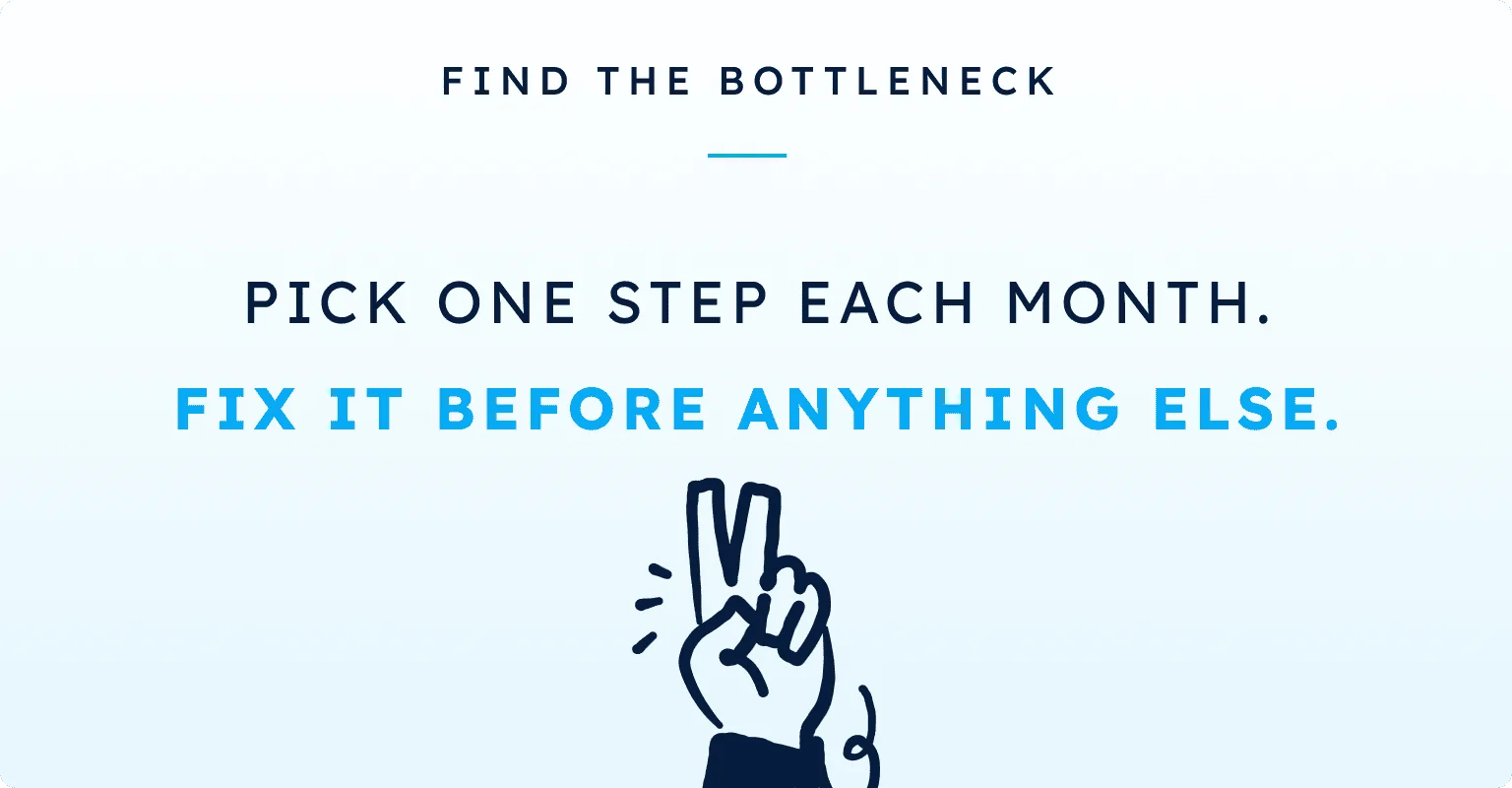
Once you know where buyers stop, narrow your attention. Michael describes the approach this way:
“For this month, we’re focused right here. Here’s our one metric, here’s our one step that we’re going to improve.”
Choose the step based on what you see in the journey. Then investigate why people leave at that point and what would help them continue.
Check whether buyers reach the step you’re improving
Here’s the mistake that makes good work look like failure. You improve a step that buyers can’t reach because they’re getting stuck earlier.
Michael puts it plainly: “Doing the right thing at the wrong time is worse.”
His example is hypothetical. You might double, triple, or quadruple the conversion rate at a particular step and still see no change in sales. The real bottleneck sits earlier.
Too few buyers get through that earlier step to benefit from the improvement. You spend money, see no result, and decide the idea doesn’t work.
Before spending more, check the steps leading into the one you’re improving. Find out whether enough buyers get that far for the change to affect sales.
Test at the bottleneck
You won’t know in advance whether every change will work. You can still choose where to test it based on where buyers get stuck.
“It’s okay to fail, but fail at the right spot.”
Shed Suite gives your team the leads, follow-up, and order pipeline this article describes — all in one place, trusted by 2,800+ shed businesses.
Book a DemoShow buyers information they need early
When Jason asks how to get visitors to call, text, or fill out a form, Michael starts with transparency.
He describes the familiar car-buying experience: you want the purchase finished, but it’s “four hours later,” and you’re still working through it.
There’s a gap between how the buyer wants to purchase and how the dealer wants the sale to happen. Keeping needed information until late in the process adds to that gap.
Michael’s team changed website layouts to move “back of the shop data” to the front.
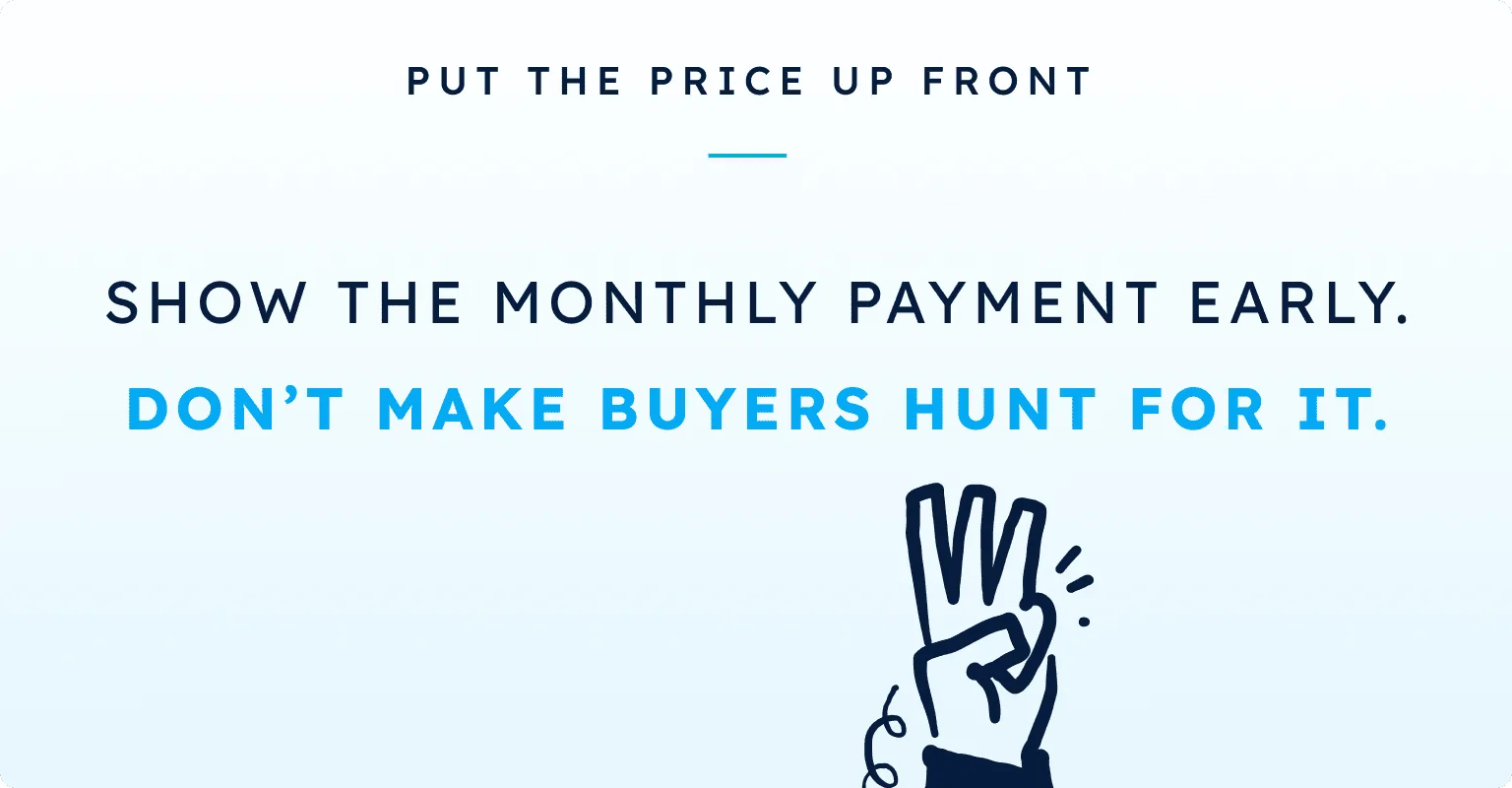
“Your pricing is not something you get at the end.”
In his car-sales experience, buyers commonly worked from what they could afford per month. If that price wasn’t upfront and easy to reach, the online process “didn’t go anywhere.”
He wonders whether shed buying works the same way. For your business, ask whether buyers need an RTO or monthly payment figure before they’ll continue.
Match the way someone wants to buy online
You may have learned to “don’t lead with price” when selling in person. Carrying that approach onto a website can leave buyers waiting for information they came to find.
Someone choosing an online path wants convenience. As Michael puts it, “convenience is just another way of saying a bit more transactional.”
Make room for a relationship while letting the buyer get through the practical parts of the purchase.
Help buyers picture the building
A physical product presents another challenge. Buyers need to understand something they can’t yet touch.
In Michael’s car-sales work, that meant helping someone choose without a test drive or sitting in the leather. Video and virtual tools are among the approaches used to address that problem.
Jason’s first software company built a 3D shed configurator in 2015. He was managing a shop and wanted accurate floor plans showing door and window placement.
Customers found another use for it. They loved seeing the building they wanted to buy.
Once someone invests time configuring a shed, Jason says it becomes easier to ask for their information and begin the buying journey. They’ve already made choices about their building.
Give unbuilt products enough attention
Michael recalls selling cars that hadn’t come off the line yet, called “ghost VINs.”
In some ways, those were easier to present online. Manufacturers invested heavily in material about the coming models, giving buyers a way to experience them digitally.
Buyers can’t walk through an unbuilt shed, so photos, video, floor plans, and a configurator serve the same purpose as manufacturers’ material for ghost VINs.
Once someone wants the product, the buying process itself comes under scrutiny. They’re deciding whether purchasing through your website will be a pain.
A professional website is the starting point
Shared tools can make competing listings look alike. A professional online presence is easier to achieve, and buyers treat that baseline as “an expected behavior.”
Jason compares those expectations with Instagram and YouTube. People expect software to feel familiar and work well without considering the effort behind it.
Michael’s view is that “standing out now, I actually think is becoming easier.”
It still takes considerable effort. In his view, the opportunity exists because fewer businesses put in that effort once the basics work.
Spend time on the difficult steps
His exercise begins with a request:
“Tell me the friction points in your sales process, soup to nuts.”
Then work through the details:
Consider Michael’s example of the thought behind scrolling on Instagram. Even the speed of the scroll requires attention.
Use your tools as a foundation
Software can get the basics working quickly. That gives you a foundation for improving how people buy from your business.
Keep paying attention to the sales process after the tools are in place. Use your journey map to choose the work.
“The journey’s the anchor, and it keeps you grounded on what you’re solving and when and why.”
Keep the buyer’s reason for purchasing in view
Michael recalls an early assumption in taking car sales online: offer an “easy button,” let people skip the dealership, and they’ll love it.
The job was to find the most efficient way for buyers to get to the experience they really want.
Look beyond the storage problem your shed solves. Michael mentions “tools to create memories” and things for your kids at Christmas.
Jason’s she shed example makes that personal connection clear. A buyer wants somewhere for crafts and a space of their own in the backyard. A general storage pitch misses that reason.
Michael describes the job this way:
“Use the tool to remove the friction in the purchasing process so that the thing the person feels the most is not the effort that it takes to buy something, but the joy and the reason why they’re buying it.”
Shorten the part buyers want to get through
Michael points to Tesla as an example of a buying process you don’t think about while you’re going through it. The effort “melts away.”
The exciting parts should be leading up to the purchase and after it, he says. Minimize the work in between.
Think of his hourglass comparison. Once the buyer switches into completing the transaction, their excitement starts draining away. Help them get through that stage and back to anticipating what they’re buying.
Jason describes Shed Suite’s role modestly: it provides tools that help customers buy a shed online. You still own the connection with your buyer and your sales process.
Jason’s takeaway is direct: “if we don’t know, we can’t optimize.” You need to see the bottlenecks and drop-offs before you can decide what to improve.
He also says he needs to do this for his own business.
Your next step: write down the path from first website visit to delivery, with the buyer count beside each stage. Mark any unknown count as *don’t know*. Choose the first unknown or the biggest drop-off as this month’s step to investigate and improve.
Casey Wiggins ran a lot before he ran a shed factory. His playbook for turning a dealer from first contact into a partner who stays, and keeping them busy.
What a customer really costs, what a healthy return on ad spend looks like, where budget leaks, and how to show up when buyers ask AI instead of Google.
A $40M custom home builder on why he wins as the highest bid, and how shed dealers can sell their best models without cutting the price.
See how real shed businesses scale and simplify with Shed Suite.
See how Stor-Mor successfully scaled from manually tracking leads on spreadsheets to managing over 300 dealers.
See how Backyard unified their e-commerce sales, inventory, and delivery teams using Shed Suite's all-in-one platform.

See how Legacy successfully automated sales, simplified inventory management, and improved delivery tracking to scale seamlessly.
See how Westwood Sheds replaced spreadsheets and PDF order forms with Shed Suite, then grew to 11 sales locations across two states.
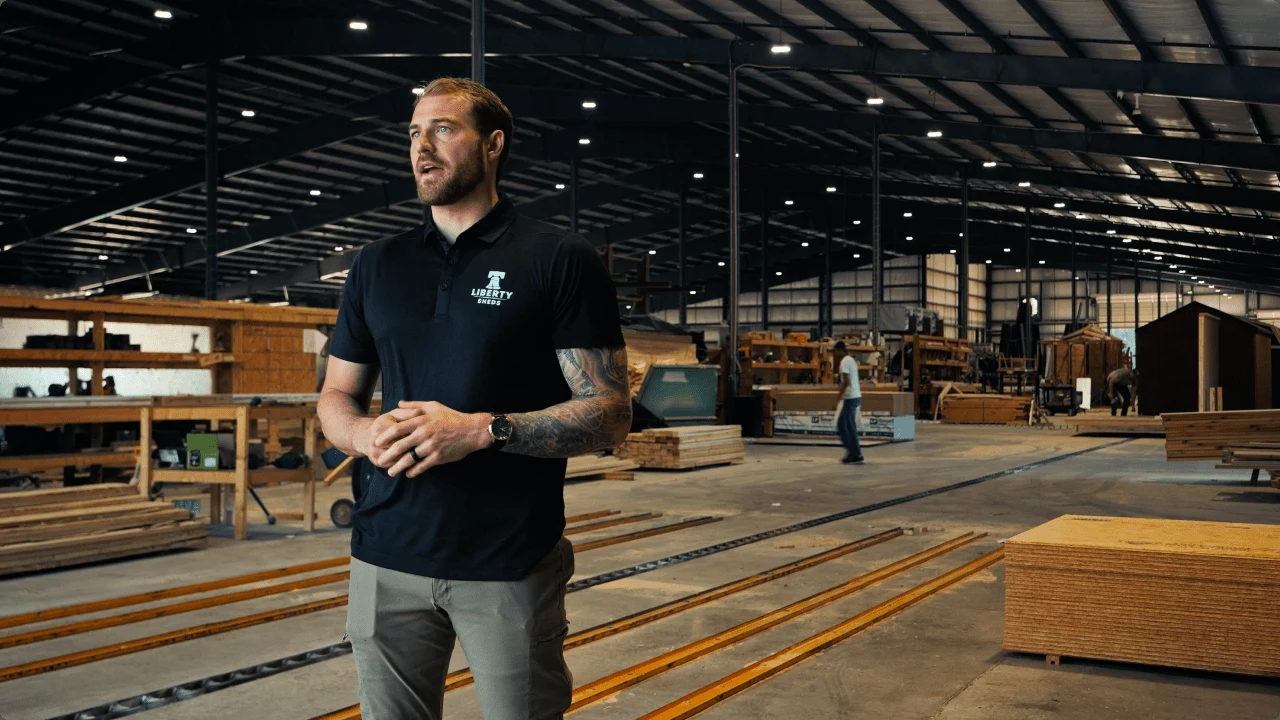
See how Liberty Sheds put sales, production, customer success, and dispatch on one system. Now they close sales remotely and reconcile inventory by running a report.
Shed Suite clients see an average growth of 81% in their first year.
See how we do it — book a 30-minute demo.
Average sales growth across all Shed Suite clients, the 12 months before vs. after joining Shed Suite. As of 2026.
“We come from the shed industry and built this for y’all. We’d love to show you what we do, how it works, and how it’ll make every team member’s life so much easier and smoother.”

Jason Graber
Shed Suite Founder