


Operations6 min read
Stor-Mor
See how Stor-Mor successfully scaled from manually tracking leads on spreadsheets to managing over 300 dealers.

Welcome, future shed entrepreneurs! As part of Shed Suite's comprehensive guide series, we're diving headfirst into a crucial aspect of building your shed business - identifying and understanding your target market.
Why is this so important? Well, consider your target market as the heartbeat of your venture. It's the rhythm that drives your strategies, your offerings, and, ultimately, your success. Without a keen understanding of who you're catering to, you might as well be walking blindfolded in a labyrinth, hoping to accidentally stumble upon success.
Imagine starting a journey with a GPS that knows exactly where you're heading. That's what understanding your target market does for you. It gives direction, it helps optimize your efforts, and it makes sure every decision is one step closer to your goal.
In this guide, we'll unpack everything you need to know about defining your potential customers, discovering their needs and desires, and using this insight to propel your success in the shed industry. So, without further ado, let's get down to business and start illuminating your path to success!
Think of market research as the reconnaissance mission before you go into battle. It's a systematic approach to gather, analyze, and interpret data about your target market, the products or services they require, and how these needs and desires can be met by your shed business.
Market research isn't an optional step - it's the very foundation of your business decisions. It gives you a lay of the land: who are your potential customers, what are they looking for in a shed, what are their buying habits, and what price are they willing to pay? It's through market research that you'll understand whether there's an appetite for eco-friendly sheds in your area, or if people are more attracted to the longevity of steel sheds, or if there's a burgeoning trend of turning sheds into cozy home offices.
This intel doesn't just impact your product strategy but also influences your marketing efforts, your sales approach, and even your after-sales service. When you know what your customers want, you can better craft your offerings to meet their demands.
Don't worry if you're unsure how to navigate this research process. We'll guide you through the specifics of performing market research later in this guide.

Alright, let's get something straight. When we're talking about potential customers in the shed business, we're not just talking about folks looking to stash their gardening tools or holiday decorations. We've got a much broader and interesting crew to consider here, each with their own unique needs and preferences. So, let's break it down:
Homeowners
When you think sheds, homeowners are probably the first group that pops into your mind, right? These are the folks looking to add some extra space to their property—maybe for storage, maybe for a home office or gym, or even just a dedicated spot for their hobbies. What they're after in a shed can really vary. For some, it's all about size, for others it could be the design that matters, and for some, the sturdiness of the shed might be the top priority.
Businesses
Next up, we've got businesses. Now, businesses can have quite a few uses for sheds. Could be for keeping inventory, setting up extra workspace, or even showcasing their products. With businesses, you'll find their needs can be a bit different. They're often looking for space efficiency, durability, and good security.
Emerging Segments
And we can't forget our trendsetters. These are the folks who are all about eco-friendly or 'green' sheds in line with their sustainable lifestyle. Or how about those interested in those personalized 'She Sheds' or 'Man Caves'? You know, the ones that are all about creating a unique, personal space for relaxation or pursuing their interests.

Sure, these are broad categories and your specific target market might be a smaller group within these categories. But getting a handle on these main segments? That's your first step to really understanding who you're trying to reach in your shed business.
Understanding your potential customers is more than just recognizing who they are—it's about diving deep into their needs and preferences. After all, what's going to make your shed business thrive is providing the types of sheds your customers are actually looking for.
Homeowner Preferences
When it comes to homeowners, there's a wide range of needs and preferences that can influence their shed selection:
Business Needs
Businesses, including farms and commercial entities, also have unique needs when it comes to sheds:
Emerging Trends
And let's not forget about the needs of those trendsetting segments we talked about:

If you've heard the saying "Location, location, location", then you're on the right track to understanding the importance of geographic location in the shed business. Where you set up shop can significantly sway the type of customers you draw in and what they're seeking in a shed.
Climate and Weather Conditions
First up, the local climate and weather play a crucial role. A customer living in an area with harsh winters or frequent rainstorms is likely to be on the hunt for a shed built to endure these conditions. Conversely, in warmer climates, a well-ventilated shed might be just what the doctor ordered.
Lifestyle and Local Trends
Another key consideration is the overall lifestyle and prevailing trends in your locale.
Conducting Location-Based Market Research
"But how do I gather all this info?" you may ask. Enter the realm of location-based market research. Leverage tools like census data, local surveys, and even social media insights to glean more about the demographics, preferences, and buying behaviors of folks in your area. Such research could divulge valuable insights, such as a neighborhood's average income level, common professions, and even trends in home and garden expenditures.
As for how exactly to do this research—hang tight. We'll delve deeper into the specific methods of market research in the next section. These methods will guide you in efficiently gathering and making sense of all this crucial data.
The Bottom Line
At the end of the day, understanding the role of geographic location is all about tuning into the local vibe and tailoring your shed offerings to match. It's about making sure you're not peddling sleek, modern sheds in a market that's all gaga over rustic charm—or vice versa.

"Knowledge is power" isn't just a cliché—it's a guiding principle when you're working to understand your target market. But the question is, how can you gather this knowledge effectively? The quality of your market research lays the foundation for the insights you'll generate later. Simply put, shoddy data collection today can lead to a wealth of misinterpreted information tomorrow. With that in mind, let's explore some reliable and effective methods of conducting market research:
Surveys
Surveys are a popular method for gathering information. They can be tailored to suit your specific needs and can reach a large audience quickly. If you're keen on creating effective surveys, SurveyMonkey has a handy guide to get you started. However, be aware that the quality of your data hinges on the quality of your questions — poorly designed surveys can lead to misleading results.
Competitor Analysis
A competitor analysis allows you to understand your competitors' strengths and weaknesses. It can reveal gaps in the market and opportunities for your business to shine. Need some tips on how to perform an effective competitor analysis? This toolkit by HubSpot might be just what you need. Bear in mind, though, it's not just about copying what others are doing. It's about carving out your unique space in the market.
Interviews
Interviews, especially in-person ones, can provide deep insights that other methods might miss. They allow for a more nuanced understanding of customer needs and preferences. If interviews sound like your cup of tea, here's a helpful guide from HubSpot on how to conduct effective customer interviews. Keep in mind, however, that they can be time-consuming and require excellent interpersonal skills to yield valuable information.

Now, armed with the know-how, you can pick and choose the method that best suits your business size and resources. Remember, the key to effective market research is using a method you're comfortable with and can execute well.
In the next section we'll take a look at how to interpret your market research.
Shed Suite gives your team the leads, follow-up, and order pipeline this article describes — all in one place, trusted by 2,800+ shed businesses.
Book a DemoThe end of your data collection journey doesn't mean it's time to take a breather—far from it! Now comes the equally critical, albeit somewhat more forgiving, task of interpreting your market research. This stage involves analyzing the data you've painstakingly gathered and drawing meaningful insights from it.
Making Sense of the Data
So you've got a bunch of survey responses, interview transcripts, and competitor analysis reports. But how do you make sense of all this information? Start by categorizing the data based on specific criteria like customer demographics, preferences, or behavioral patterns. Then, look for trends, commonalities, and anomalies. The aim is to find actionable insights that can inform your business strategy.
Common Pitfalls to Avoid
While it's essential to dive deep into the data, it's also important to stay aware of some common pitfalls in this process. Here's a couple to watch out for:

In the grand scheme of things, the objective is to convert raw data into usable information. This refined information can then guide your decision-making and help tailor your shed business to meet your customers' needs and preferences. Remember, the goal of market research isn't just to gather data—it's to understand and leverage it.
Once you've successfully gathered and interpreted your market research data, you've got a goldmine of insights at your fingertips. But that's just the first half of the story. The real value of this data is in how you use it to drive your business operations.
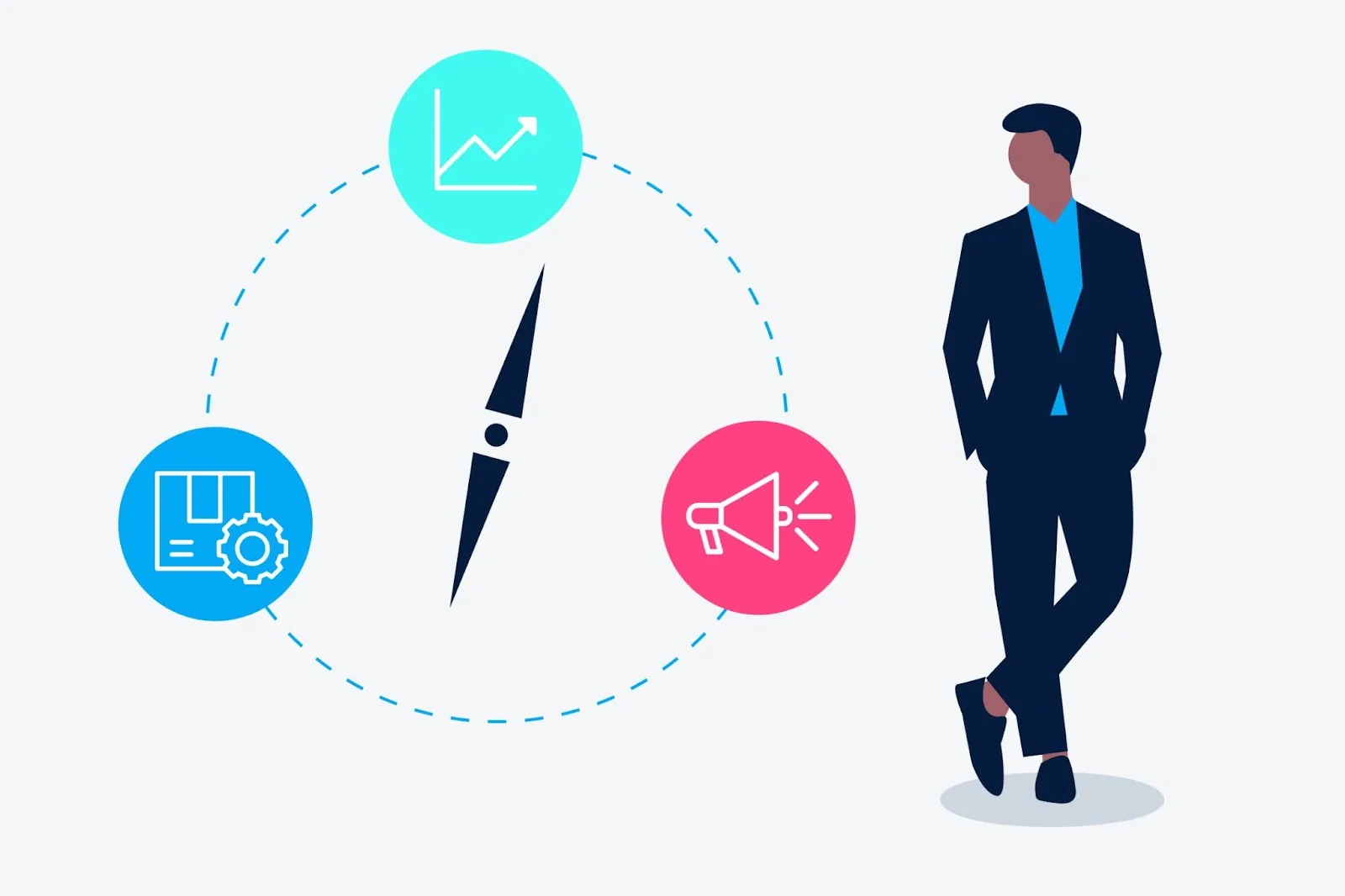
Think of it as the compass guiding your shed business journey. Let's look at how you can leverage these insights across various business operations.
Informing Marketing Strategies
First off, market research can shape your marketing strategies. Knowledge about your target customers' preferences and behaviors can help you tailor your marketing messages to resonate with them.
For instance, if your research shows a growing interest in eco-friendly sheds, you might highlight your green materials or sustainable manufacturing processes in your advertising.
Enhancing Sales Efforts
Market research can also supercharge your sales efforts. Understanding your customers' pain points and motivations can help your sales team approach prospects more effectively.
If you know a specific neighborhood values storage efficiency, your sales pitch could focus on the space-saving design of your sheds.
Guiding Product Development
The insights gained from market research can even guide your product development. If you notice a rising trend of home gyms and hobby spaces, it could be a great time to launch a shed line designed for these purposes. Similarly, understanding your customers' budget ranges can help you offer products at price points that meet their needs.
It's all about using the knowledge you've gathered to meet your customers where they are, with the products they need, communicated in a way that resonates with them. This is the power of leveraging market research in your shed business.
We've talked a lot about how to understand your market and why it's crucial. But let's put the icing on the cake with some real-world examples. This way, you'll see how understanding your market isn't just a theoretical exercise—it has a profound impact on your business success.
A Tale of Two Shed Businesses
Imagine two shed businesses: ShedCo and ShedMart. Both started at the same time, in similar locales, with the same resources.
ShedCo decided to go by their gut feelings. They built what they thought people would like and marketed in ways that seemed appropriate. After all, they'd been in the shed business for years. They knew what they were doing, right?
On the other hand, ShedMart dove deep into market research. They invested time and effort into understanding their potential customers, their preferences, their needs, their budget ranges. They didn't just guess—they gathered data, analyzed it, and let that knowledge guide their decisions.
Fast forward a few years, and ShedMart is thriving while ShedCo struggles to stay afloat. Why? Because understanding your market is like having a crystal ball—it gives you insights into your customers' minds and helps you meet their needs better than your competition.
Evolving with the Market
But remember, market understanding isn't a one-and-done deal. Just like the seasons change, so do customer preferences and market environments. Your product might be the hottest thing this season, but will it be just as appealing next year? Continuous market evaluation is key to ensuring your business stays relevant and successful. It's a never-ending cycle, but one that's well worth the effort.

Whew! We've covered quite a bit of ground in this guide, haven't we? But don't worry, all this information is going to serve you well in your shed business adventure. Let's do a quick recap:
This guide is just the beginning of your journey towards a better understanding of your market. In the next guide, we'll dive deeper into creating a robust marketing strategy for your shed business, equipped with the knowledge you've gained from your market research. So, stay tuned for more shed business wisdom!
Casey Wiggins ran a lot before he ran a shed factory. His playbook for turning a dealer from first contact into a partner who stays, and keeping them busy.
What a customer really costs, what a healthy return on ad spend looks like, where budget leaks, and how to show up when buyers ask AI instead of Google.
A $40M custom home builder on why he wins as the highest bid, and how shed dealers can sell their best models without cutting the price.
See how real shed businesses scale and simplify with Shed Suite.
See how Stor-Mor successfully scaled from manually tracking leads on spreadsheets to managing over 300 dealers.
See how Backyard unified their e-commerce sales, inventory, and delivery teams using Shed Suite's all-in-one platform.

See how Legacy successfully automated sales, simplified inventory management, and improved delivery tracking to scale seamlessly.
See how Westwood Sheds replaced spreadsheets and PDF order forms with Shed Suite, then grew to 11 sales locations across two states.

See how Liberty Sheds put sales, production, customer success, and dispatch on one system. Now they close sales remotely and reconcile inventory by running a report.
Shed Suite clients see an average growth of 81% in their first year.
See how we do it — book a 30-minute demo.
Average sales growth across all Shed Suite clients, the 12 months before vs. after joining Shed Suite. As of 2026.
“We come from the shed industry and built this for y’all. We’d love to show you what we do, how it works, and how it’ll make every team member’s life so much easier and smoother.”

Jason Graber
Shed Suite Founder