


Operations6 min read
Stor-Mor
See how Stor-Mor successfully scaled from manually tracking leads on spreadsheets to managing over 300 dealers.
Starting a shed business, like any other venture, comes with a set of legal considerations that require careful attention. This article aims to provide a general guide for understanding these aspects. However, it is not a substitute for professional legal advice, and we highly recommend consulting with a professional for your specific situation.
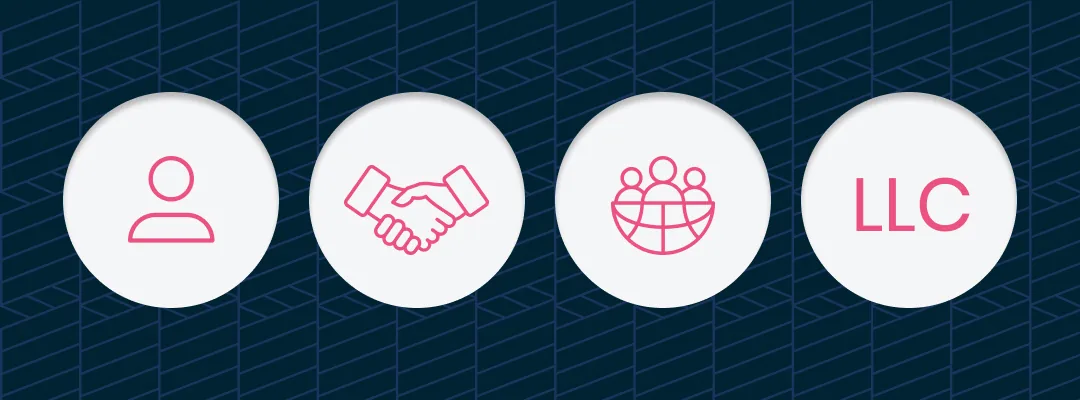
Choosing a business structure is one of the first and most crucial decisions you'll make. The structure can significantly impact the taxes you owe, your personal liability, and the way you operate your business. Common business structures include:
Operating a shed business typically requires specific licenses and permits. These might include a general business license, building permits, or specialized permits, depending on your local and state laws. You can obtain most of these licenses and permits from your local government office or their online portals. Remember, operating without the necessary licenses can lead to fines or the closure of your business.
Understanding local zoning laws is crucial as they dictate where you can establish your shed business. For instance, some areas may only allow commercial activities, while others might be reserved for residential or industrial use. Similarly, building codes dictate the standards for constructing your sheds. Compliance with these codes ensures safety and avoids penalties.
Contracts are an essential part of any business. They define the relationships with your customers, suppliers, and partners. Ensure you understand all the terms before signing any contract. In the event of a dispute, a well-drafted contract will protect your interests.
Shed Suite gives your team the leads, follow-up, and order pipeline this article describes — all in one place, trusted by 2,800+ shed businesses.
Book a DemoIf your shed designs are unique, you might want to consider protecting them with patents. Similarly, trademarks can protect your brand name and logo. Registering your intellectual property rights prevents others from using your designs or brand without your permission.
Insurance is a crucial risk management tool. Depending on the nature and scale of your shed business, you might need various types of insurance, such as liability insurance, property insurance, or workers' compensation insurance. An insurance agent can help you understand the right coverage for your business.

If you plan to hire employees, understanding labor laws is crucial. These laws regulate aspects such as minimum wage, overtime, and safety regulations. Failure to comply with these laws could result in penalties or even lawsuits.

Starting a shed business involves navigating a complex landscape of legal requirements. While this guide provides a broad overview, it's crucial to seek professional legal and tax advice tailored to your situation. Take the time to understand these aspects to ensure a smoother journey as you build your shed business.
Casey Wiggins ran a lot before he ran a shed factory. His playbook for turning a dealer from first contact into a partner who stays, and keeping them busy.
What a customer really costs, what a healthy return on ad spend looks like, where budget leaks, and how to show up when buyers ask AI instead of Google.
A $40M custom home builder on why he wins as the highest bid, and how shed dealers can sell their best models without cutting the price.
See how real shed businesses scale and simplify with Shed Suite.
See how Stor-Mor successfully scaled from manually tracking leads on spreadsheets to managing over 300 dealers.
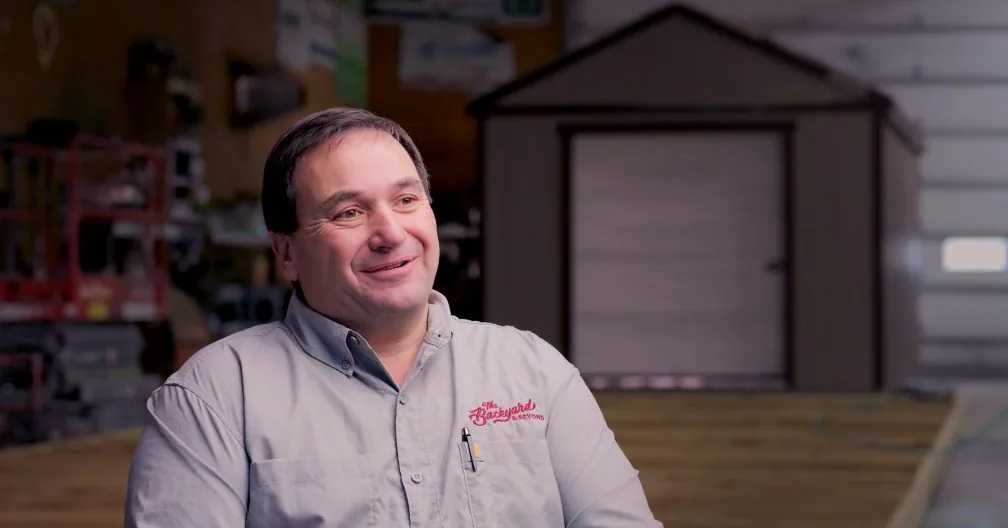
See how Backyard unified their e-commerce sales, inventory, and delivery teams using Shed Suite's all-in-one platform.

See how Legacy successfully automated sales, simplified inventory management, and improved delivery tracking to scale seamlessly.
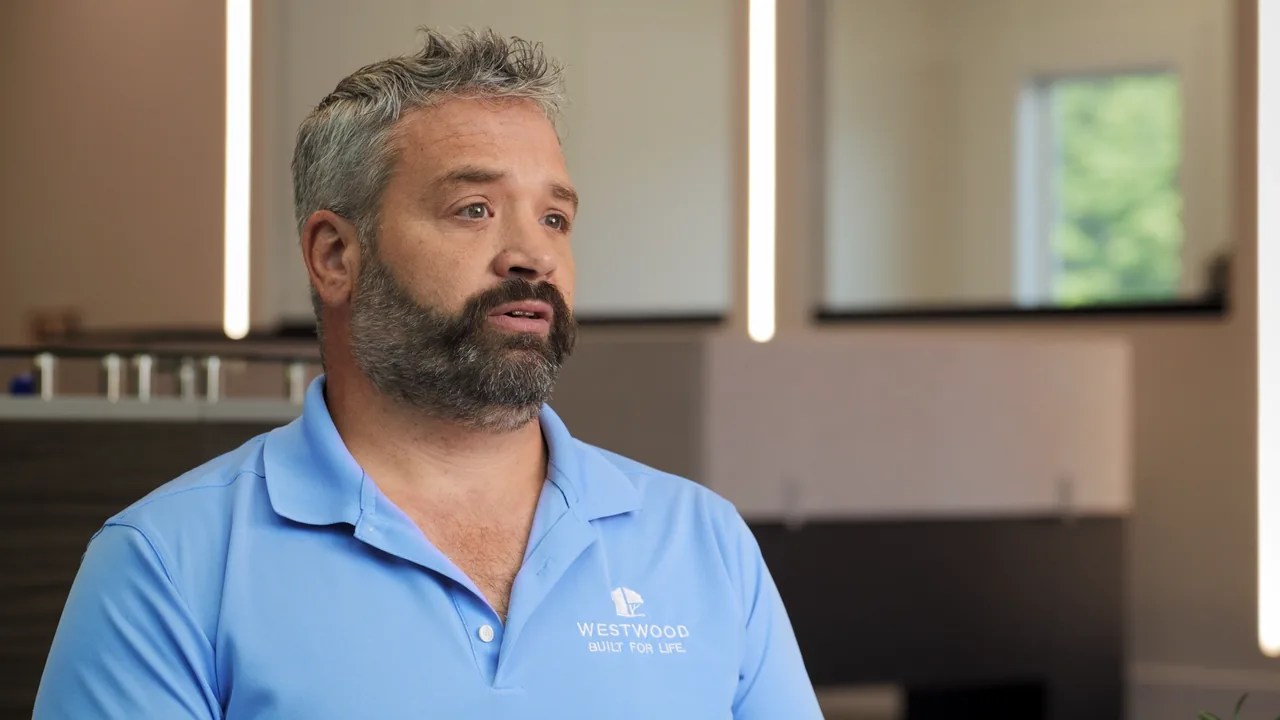
See how Westwood Sheds replaced spreadsheets and PDF order forms with Shed Suite, then grew to 11 sales locations across two states.
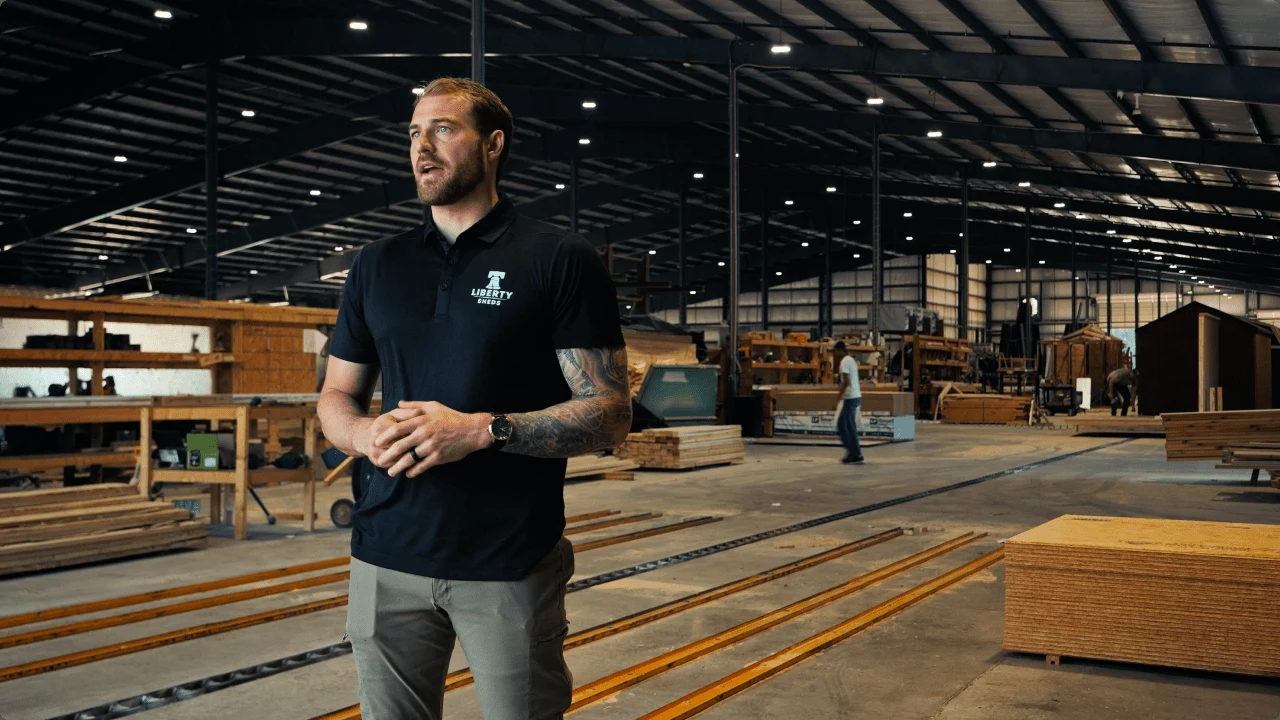
See how Liberty Sheds put sales, production, customer success, and dispatch on one system. Now they close sales remotely and reconcile inventory by running a report.
Shed Suite clients see an average growth of 81% in their first year.
See how we do it — book a 30-minute demo.
Average sales growth across all Shed Suite clients, the 12 months before vs. after joining Shed Suite. As of 2026.
“We come from the shed industry and built this for y’all. We’d love to show you what we do, how it works, and how it’ll make every team member’s life so much easier and smoother.”

Jason Graber
Shed Suite Founder