


Operations6 min read
Stor-Mor
See how Stor-Mor successfully scaled from manually tracking leads on spreadsheets to managing over 300 dealers.

Starting a shed business requires capital. Money is necessary to buy materials, secure a location, purchase equipment, and handle many other startup costs. Here are several ways to secure the necessary funding for your shed business.
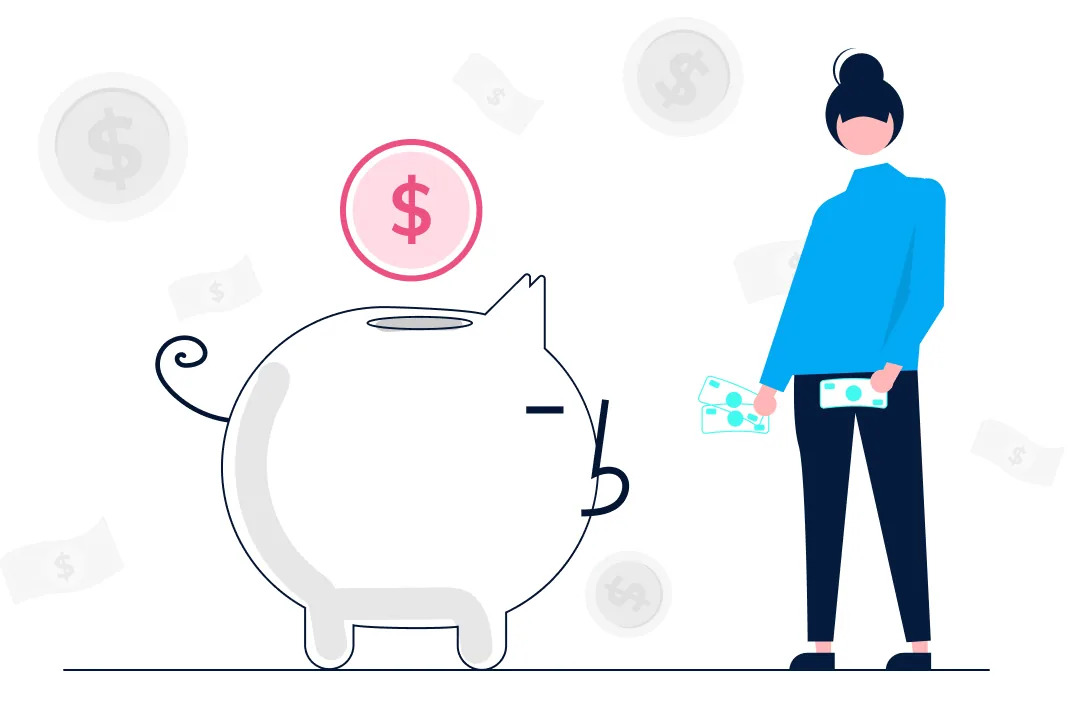
Your personal savings serve as an immediate and easily accessible source of capital when starting a shed business. It's a common starting point for many entrepreneurs and has a multitude of benefits. However, it's essential to approach this option with a comprehensive understanding of its potential risks and rewards.
When considering personal savings as a funding source, there are several key factors to note:
However, fully funding your business with personal savings isn't without its drawbacks:
Despite these risks, using personal savings can still be a viable option for funding your shed business, especially when combined with other sources of funding.
One of the earliest funding sources entrepreneurs often look to are friends and family. These individuals believe in you and your business concept and are willing to back that belief with their financial resources. For a shed business, friends and family can provide a flexible and relatively low-pressure source of initial capital.
When considering friends and family funding, it's crucial to note a few aspects:
However, it's not without its risks.
Risk of Strained Relationships: Mixing personal relationships and business can be risky as if your business struggles or fails, it can strain or even break these relationships.
To mitigate this risk, it's recommended to have clear, written agreements outlining the terms of the investment. This ensures that all parties understand the potential risks involved.

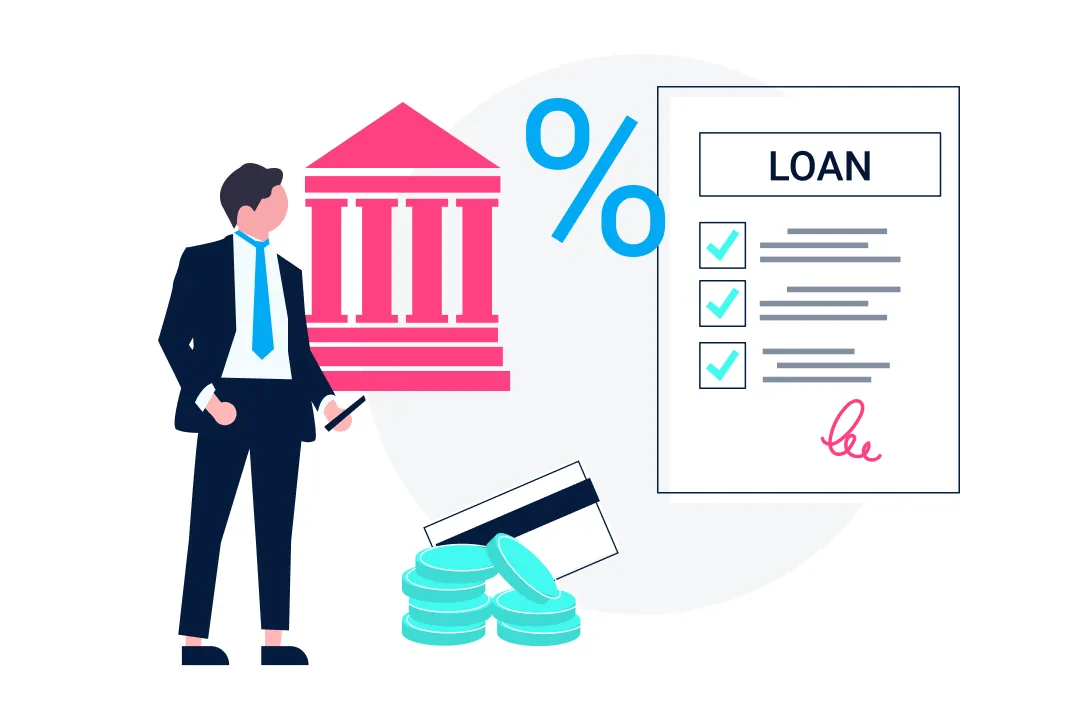
Traditional business loans, provided by banks or credit unions, are another viable way of securing capital for your shed business. With the potential to secure a substantial lump sum, business loans can give your startup the initial push it needs.
Understanding the role of business loans in funding your shed business requires insight into their key benefits and challenges:
Advantages of Business Loans
Challenges of Business Loans
If you can navigate these challenges, a business loan could be a great tool to kickstart your shed business. Remember to compare terms and interest rates offered by different financial institutions before making a decision.
Shed Suite gives your team the leads, follow-up, and order pipeline this article describes — all in one place, trusted by 2,800+ shed businesses.
Book a DemoGrants are an alluring funding option for any business, mainly because they do not need to be repaid. They can provide a boost to your shed business without the financial burden that loans or other forms of borrowed capital entail. However, obtaining grants in the shed business industry can be challenging, albeit not impossible.
The typical perception is that grants are not commonly associated with industries like shed businesses. While this is true to an extent, there are avenues and conditions under which your shed business could potentially qualify for grant funding.
Sustainability Grants
With the world leaning towards sustainable and environmentally-friendly practices, there are grants available for businesses that align with these principles. If your shed business is incorporating sustainable building practices – such as using recycled materials, promoting energy efficiency, or implementing green designs – you might be eligible for these grants. Government bodies, environmental organizations, and even some private corporations offer such grants to encourage eco-friendly business practices.
Innovation Grants
Innovation is another aspect that can open doors to grant funding. If your shed business offers a unique, innovative design or a transformative business model that could revolutionize the industry, you may qualify for innovation grants. These are often provided by government departments, industry bodies, and private entities that aim to foster innovation and development.
Local and Community Grants
Local government bodies and community organizations sometimes offer grants to support local businesses. If your shed business plans to operate in a specific community, contributes to local employment, or supports community development, you might be eligible for these grants.
While it's clear that obtaining grants requires meeting specific criteria and navigating through complex application processes, the effort can be worthwhile considering the financial relief they provide.
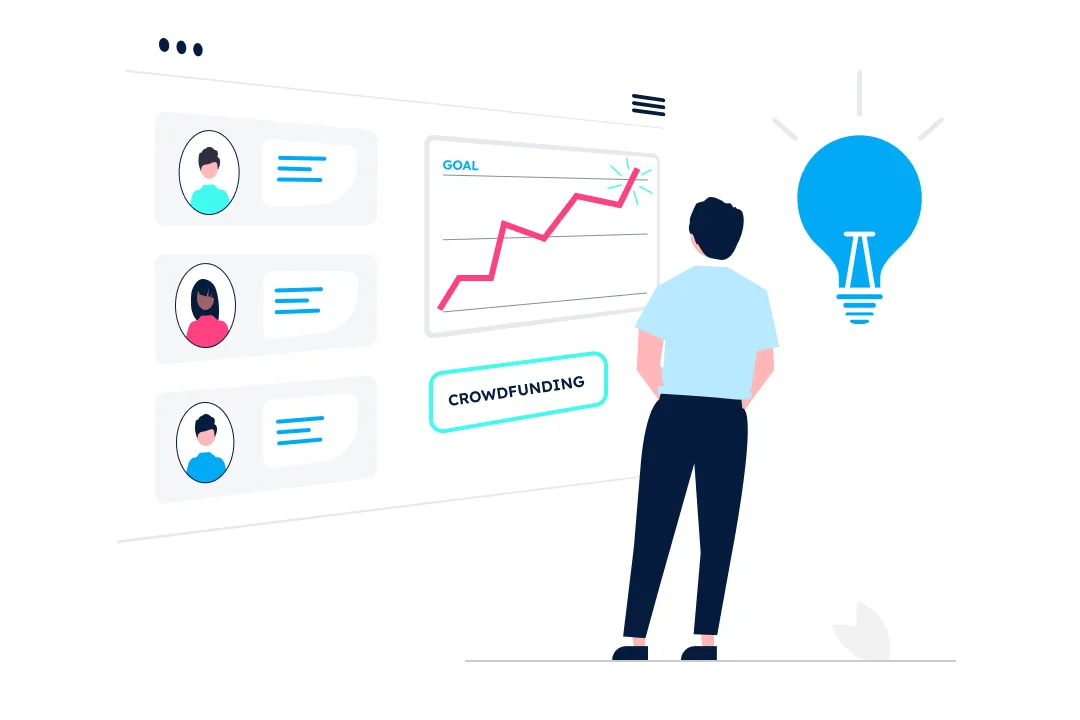
Crowdfunding, at its core, is a method of pre-selling your product or service to a broad audience. It may initially seem like an unlikely strategy for a shed business, but when you dig a little deeper, you'll find it could present some unique opportunities. The question to ponder on is - why would people pre-purchase a shed or invest in a shed business?
Understanding the Value Proposition of a Crowdfunding Shed Business
For a crowdfunding campaign to succeed, your shed business must offer a unique selling proposition (USP) that's compelling enough to engage potential backers. This USP could take various forms:
Advantages and Potential Challenges of Crowdfunding
Crowdfunding has many advantages, one of which is the opportunity to pre-sell your products, allowing you to validate your business idea and build an initial customer base. By offering your sheds or other perks as rewards for different pledge levels, you can not only raise funds but also test market interest and generate early sales.
However, crowdfunding comes with its unique set of challenges. A successful campaign requires a compelling pitch, targeted marketing, and a degree of luck. Not all campaigns reach their target funding, so having a well-planned strategy and realistic expectations is essential.
Positioning Crowdfunding in the Shed Business Landscape
While crowdfunding might be traditionally associated with tech startups or creative projects, the principle behind it is universal — if you have a unique idea that resonates with people, crowdfunding can work. Given the rising interest in home improvement trends and sustainability, a well-positioned shed business could leverage crowdfunding to its advantage.
Venture capital (VC) funding is often associated with high-growth, high-tech startups. It may not be the first funding source that comes to mind when you think about a shed business, but under specific circumstances, it could become a feasible option. The critical factor is demonstrating high growth potential to prospective investors.
Understanding Venture Capital's Fit for Shed Businesses
Traditional shed businesses—those that manufacture or sell sheds—might not fit the conventional profile that attracts venture capitalists. So why even consider venture capital for your shed business?
The answer lies in the business model and the value proposition. Here are a couple of scenarios that could pique the interest of venture capitalists:
Navigating the Venture Capital Process
Obtaining VC funding involves presenting your business plan to VC firms, who then decide if your business aligns with their investment strategy. If they're interested, they'll offer capital in exchange for equity in your company. This process can be complex and time-consuming, and it requires a detailed and convincing business plan.
Be aware, though, venture capital isn't for every business. Giving up equity means losing some control over your company, and VC firms often expect a significant return on their investment, which means a high-growth trajectory is a must.
Positioning Venture Capital in the Shed Business Landscape
While venture capital may not be a common funding source for most shed businesses, it doesn't mean it's an impossibility. If your business is at the intersection of innovation and scalability, it could prove to be an attractive investment for the right venture capital firm.

Angel investors are high-net-worth individuals who provide capital for a business startup, often in exchange for convertible debt or ownership equity. Similar to venture capitalists, they often invest in businesses with high growth potential. However, there are some key differences between angel investors and venture capitalists that could make this a more appealing option for your shed business.
Key Differences Between Angel Investors and Venture Capital
While both venture capital and angel investment involve offering equity in return for funding, there are a few fundamental differences:
Sometimes, it might not just be about getting funding from external sources; there are also creative ways to leverage partnerships to get your business off the ground. Forming strategic partnerships can be a savvy move, especially for shed businesses.
Strategic partnerships can take on many forms and serve multiple functions:
It's essential to remember that the nature of these partnerships can vary greatly, and they should always be formalized with clear and legal agreements. A good partnership is built on clear communication, shared goals, and mutual benefits.

Securing capital for your shed business is a critical step that requires careful consideration. Each funding source, from personal savings to strategic partnerships, offers distinct advantages and challenges, and their suitability depends on your specific business context.
Choosing the right funding source isn't solely about getting the most capital but finding what best aligns with your business's needs, industry dynamics, and long-term goals. Effective financial planning and management are essential not only in the initial stages but as your business evolves.
Remember, the path to funding is one part of a much larger journey. It's about making strategic decisions, planning, and continuous learning. So, as you embark on your venture to build a thriving shed business, choose your funding route wisely and make each decision count.
Casey Wiggins ran a lot before he ran a shed factory. His playbook for turning a dealer from first contact into a partner who stays, and keeping them busy.
What a customer really costs, what a healthy return on ad spend looks like, where budget leaks, and how to show up when buyers ask AI instead of Google.
A $40M custom home builder on why he wins as the highest bid, and how shed dealers can sell their best models without cutting the price.
See how real shed businesses scale and simplify with Shed Suite.
See how Stor-Mor successfully scaled from manually tracking leads on spreadsheets to managing over 300 dealers.
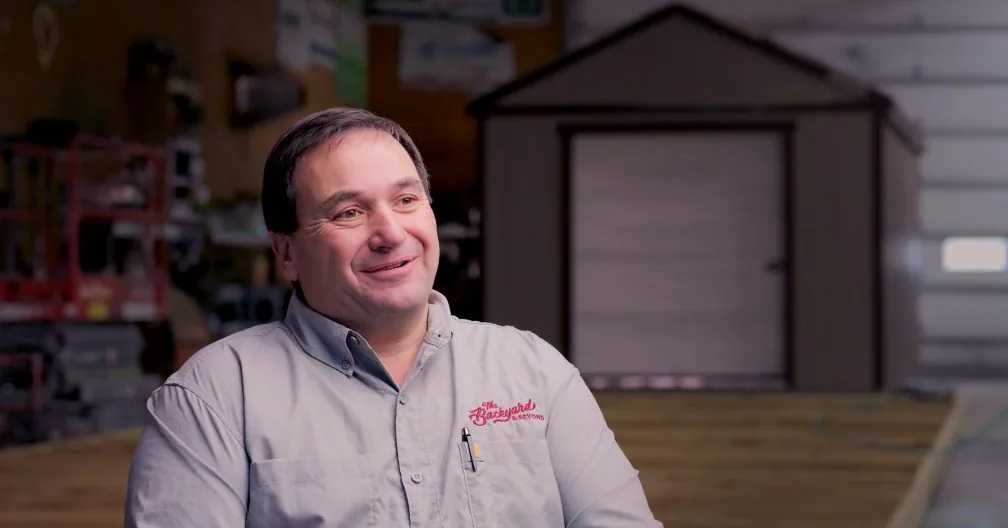
See how Backyard unified their e-commerce sales, inventory, and delivery teams using Shed Suite's all-in-one platform.

See how Legacy successfully automated sales, simplified inventory management, and improved delivery tracking to scale seamlessly.
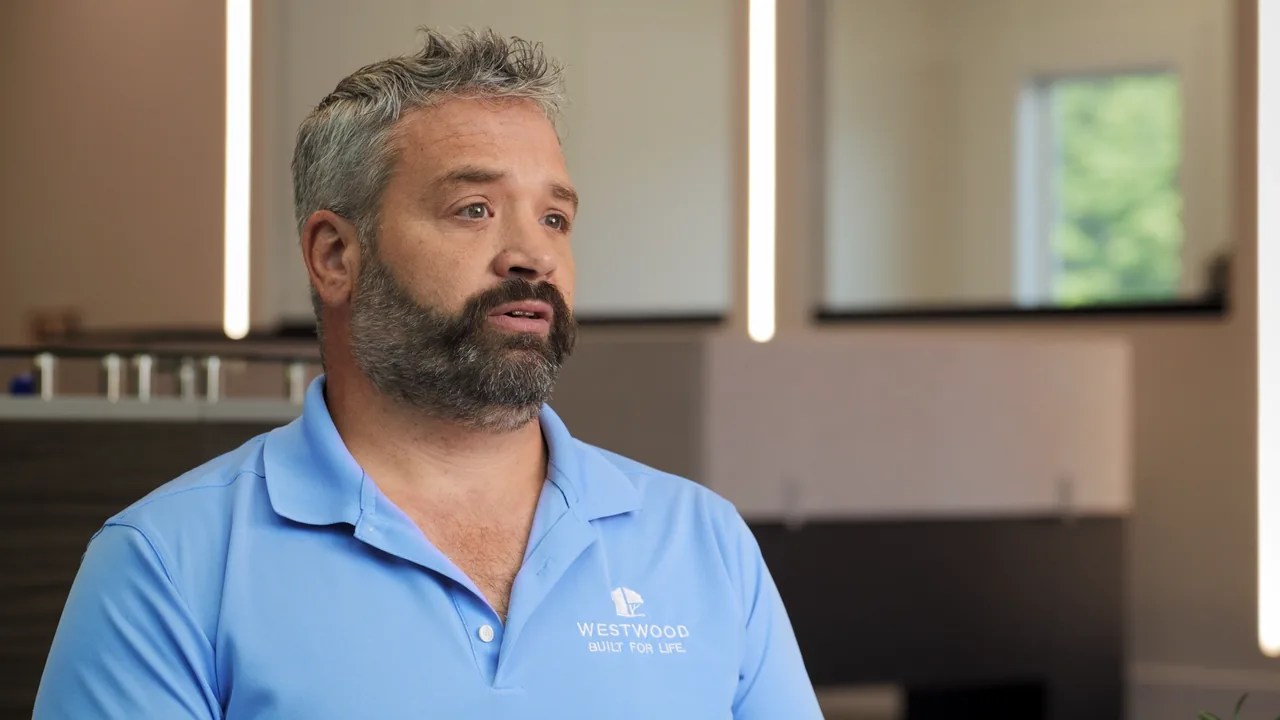
See how Westwood Sheds replaced spreadsheets and PDF order forms with Shed Suite, then grew to 11 sales locations across two states.

See how Liberty Sheds put sales, production, customer success, and dispatch on one system. Now they close sales remotely and reconcile inventory by running a report.
Shed Suite clients see an average growth of 81% in their first year.
See how we do it — book a 30-minute demo.
Average sales growth across all Shed Suite clients, the 12 months before vs. after joining Shed Suite. As of 2026.
“We come from the shed industry and built this for y’all. We’d love to show you what we do, how it works, and how it’ll make every team member’s life so much easier and smoother.”

Jason Graber
Shed Suite Founder