


Operations6 min read
Stor-Mor
See how Stor-Mor successfully scaled from manually tracking leads on spreadsheets to managing over 300 dealers.
In the shed business, as in many sectors, the adage holds true: "Location, location, location." Your chosen site can significantly impact your business' visibility, customer access, operating costs, and, ultimately, profitability.
Selecting the right location requires careful consideration and strategic decision-making.
In this guide, we aim to walk you through the crucial steps and considerations involved in choosing an ideal location for your shed business.
We'll discuss understanding your market and its influence on site selection, the importance of visibility and accessibility, size and layout considerations for your business premises, as well as navigating local regulations and zoning laws.
We'll also delve into the financial aspects and provide real-world examples to illustrate how successful shed businesses have approached site selection.
By the end of this guide, you'll have a clearer idea of what to consider and how to make a decision that best aligns with your business strategy and goals.
Let's get started on your journey to finding the perfect location for your shed business.
As a shed business owner, getting to know your market is a fundamental part of establishing a successful operation.
It's all about understanding who your customers are and what they're looking for in a shed.
Remember, we've dedicated an entire guide to Identifying and Understanding Your Target Market, so make sure to give that a read for comprehensive insights.
In this section, we're going to focus on how your market knowledge plays into choosing your business location.
Identifying Your Target Customer
To start, think about who your ideal customers are. Are they homeowners looking for extra storage space, or businesses needing a practical solution for their surplus stock?
Could they be families hoping for a backyard playhouse, or gardeners wanting a dedicated potting shed? The clientele you're aiming to attract can substantially guide your location choice.
For instance, if residential clients are your primary target, a location in or near residential neighborhoods could be ideal. However, if your focus is on businesses, a spot in a commercial district might be the way to go.
The Role of Climate
The climate in your operating region also matters when selecting a location.
If you're in an area where the weather is predominantly sunny, choosing a location with outdoor space for displaying your sheds under natural light can be beneficial.
In contrast, in regions where rain or snow is more common, a larger indoor showroom with a kiosk that allows customers to shop your sheds comfortably could be a better option.
Space Considerations
Lastly, consider the available space in your target market area. The amount of land potential customers have at their disposal can influence the type of sheds you sell, and consequently, your location. If you specialize in large, luxury sheds, for example, you'd want to set up in an area where homes or businesses have enough room for such structures.
By knowing your customers, their needs, and their environments, you're setting the first stone in building a successful shed business. This knowledge is key in choosing a location that will attract and meet the demands of your target market. Up next, we'll delve into another essential aspect of location selection: accessibility and visibility. Let's keep going!

We've got your target market down pat. Great! But now let's imagine this: Mr. and Mrs. Johnson have just moved into a new house, and they need a shed to store their tools and gardening supplies. They heard about your business and decided to give it a go. But as they try to find your store, they find themselves navigating a maze of back alleys and one-way streets. Chances are, they'll give up and go somewhere easier to reach.
That's why the location of your shed business isn't just about who you serve—it's also about how easy it is for your customers to find and reach you.
Easy Access: Convenience is Key
As much as we'd like to believe that our customers would cross rivers and climb mountains for our products, the reality is convenience plays a massive role in their decision-making process. Here's how you can make reaching your business as smooth as a leisurely Sunday drive:
High Visibility: Seen and Remembered
But it's not just about reaching you—it's also about seeing you. Imagine this: you're driving down the road, and out of the corner of your eye, you spot a magnificent display of beautifully-crafted sheds. That's what we're aiming for.
Here's how you can ensure your business is not just seen, but remembered:
So, you've nailed down the perfect customer, found a convenient location that sticks in the minds of passersby. What's next? Let’s discuss the nitty-gritty of size and layout considerations for your shed business.
Alright, shed entrepreneurs! Now that we've talked about where your business should be located, let's discuss what you're going to do with all that space. From showcasing your products to planning office operations and accommodating for future growth, we've got you covered.
Shed Display: Your Open-Air Showroom
First things first, your customers need to see your sheds to fall in love with them. Here's what to consider when planning your open-air showroom:
Office Space: Your Operational Hub
Your office is where the magic happens, away from the limelight. It's where you'll handle everything from customer service to accounting. If you haven't already, check out our post on 5 Reasons Why Your Shed Business Office Should Be Separate From Your Shop. It provides insightful reasons why keeping office and workshop spaces separate can be a game-changer for your business.
Planning for the Future: Room to Grow
Always be optimistic—plan for your business to boom! Hence, ensure that your location has:
While we've covered a lot, there's more to come. Up next, we're diving into the world of local regulations and zoning laws. Hang tight—it's a lot more exciting than it sounds!
Designing for Production Efficiency
When planning the manufacturing space for your shed business, the primary goal is to design a layout that promotes production efficiency. This involves careful consideration of the workflow, from the initial cutting of materials to assembly and final inspections. The layout should facilitate a logical flow that minimizes movement and handling, reducing time and labor costs.
Shed Suite gives your team the leads, follow-up, and order pipeline this article describes — all in one place, trusted by 2,800+ shed businesses.
Book a DemoSafety First: Planning for a Safe Working Environment
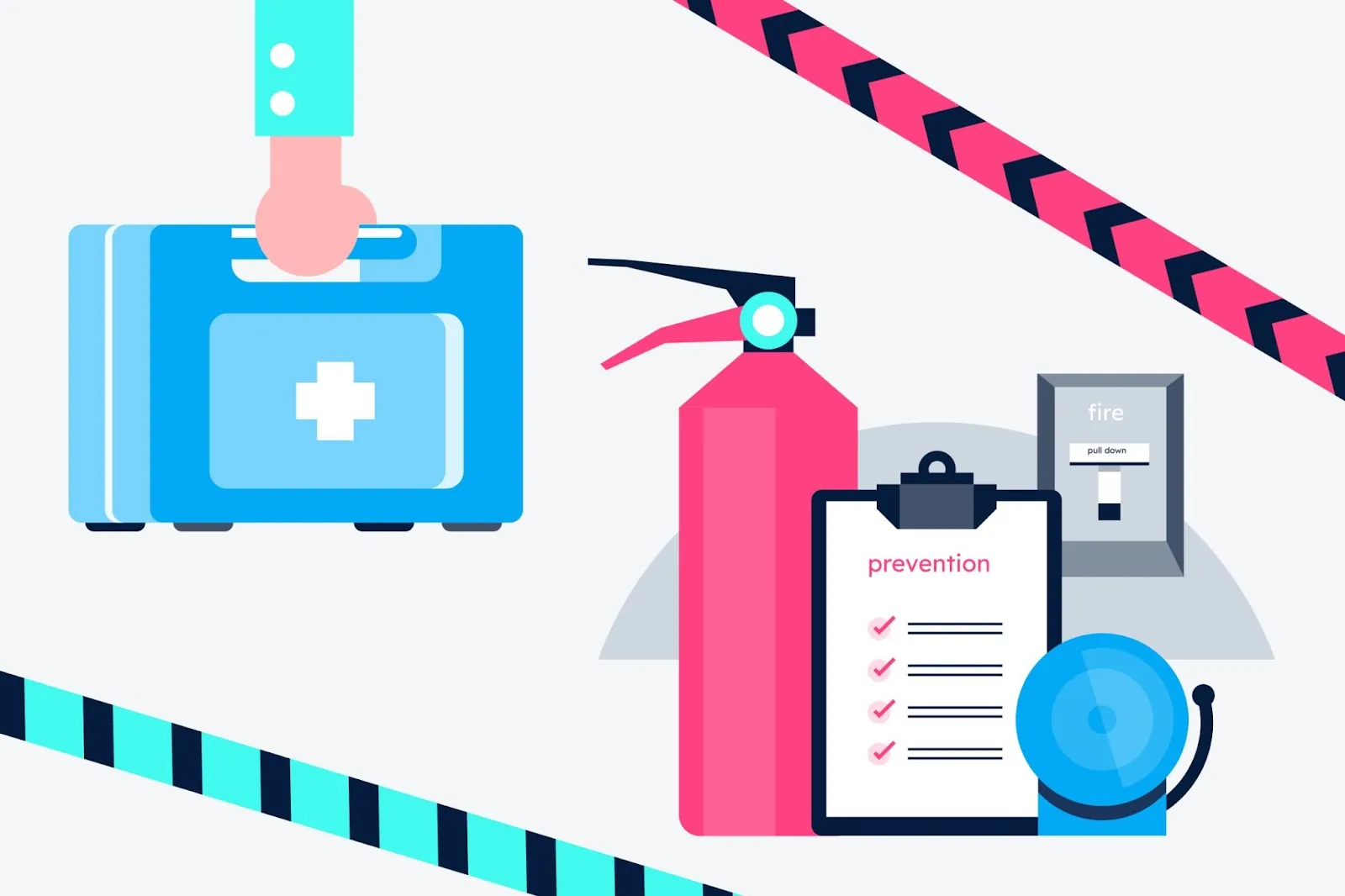
Manufacturing sheds involve various hazards, including heavy lifting, operation of machinery, and handling of potentially hazardous materials. Prioritizing safety in your layout is not just a regulatory requirement; it's a moral and financial necessity.
Scalability and Flexibility
As your business grows, your manufacturing needs will change. The initial layout should have the flexibility to accommodate new equipment, technologies, or processes without requiring a complete overhaul.
Utility and Service Considerations
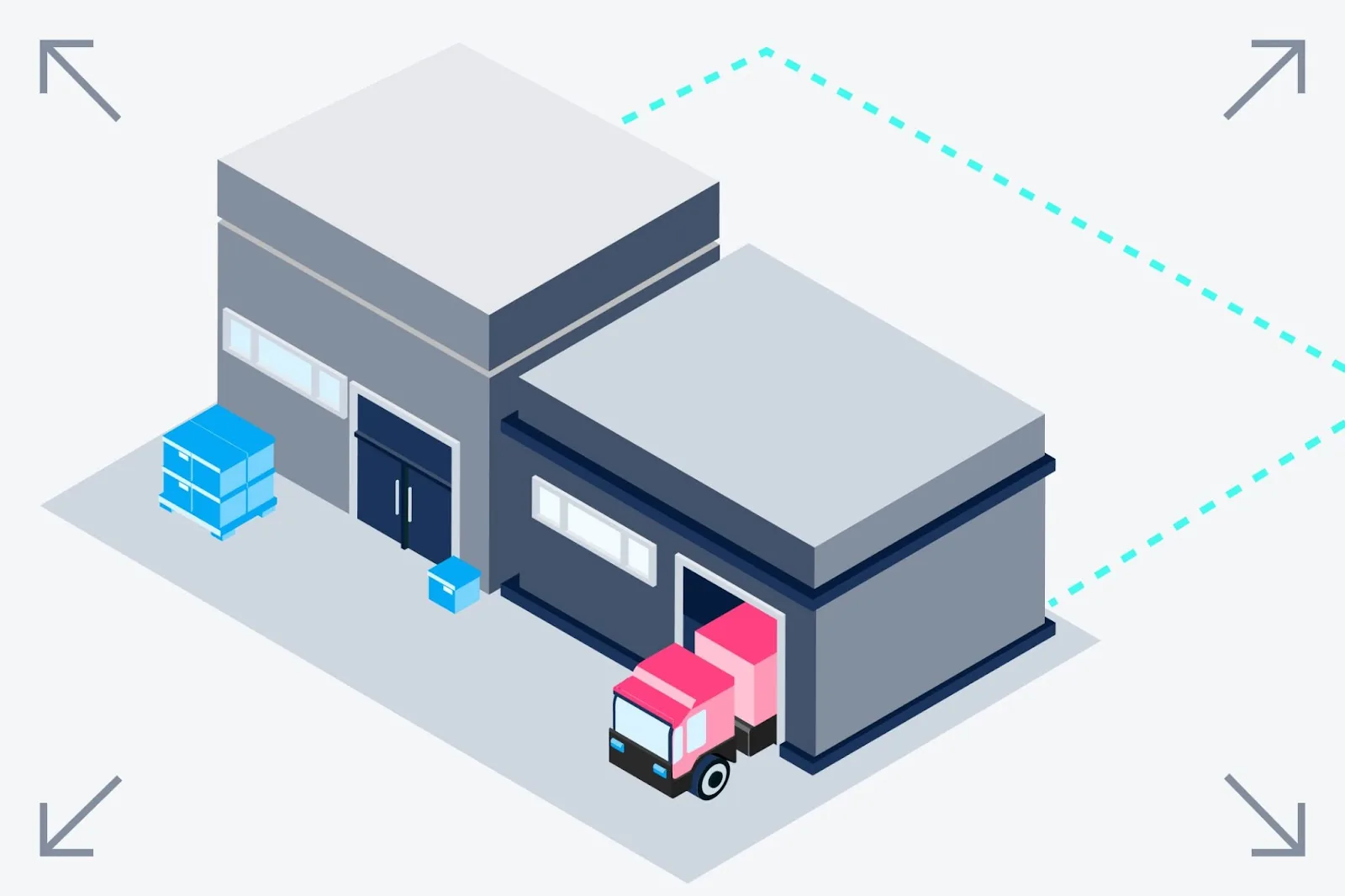
Manufacturing sheds require various utilities and services to operate efficiently. Electricity, water supply, compressed air, and ventilation systems need to be integrated into the layout thoughtfully.
Storage and Material Handling
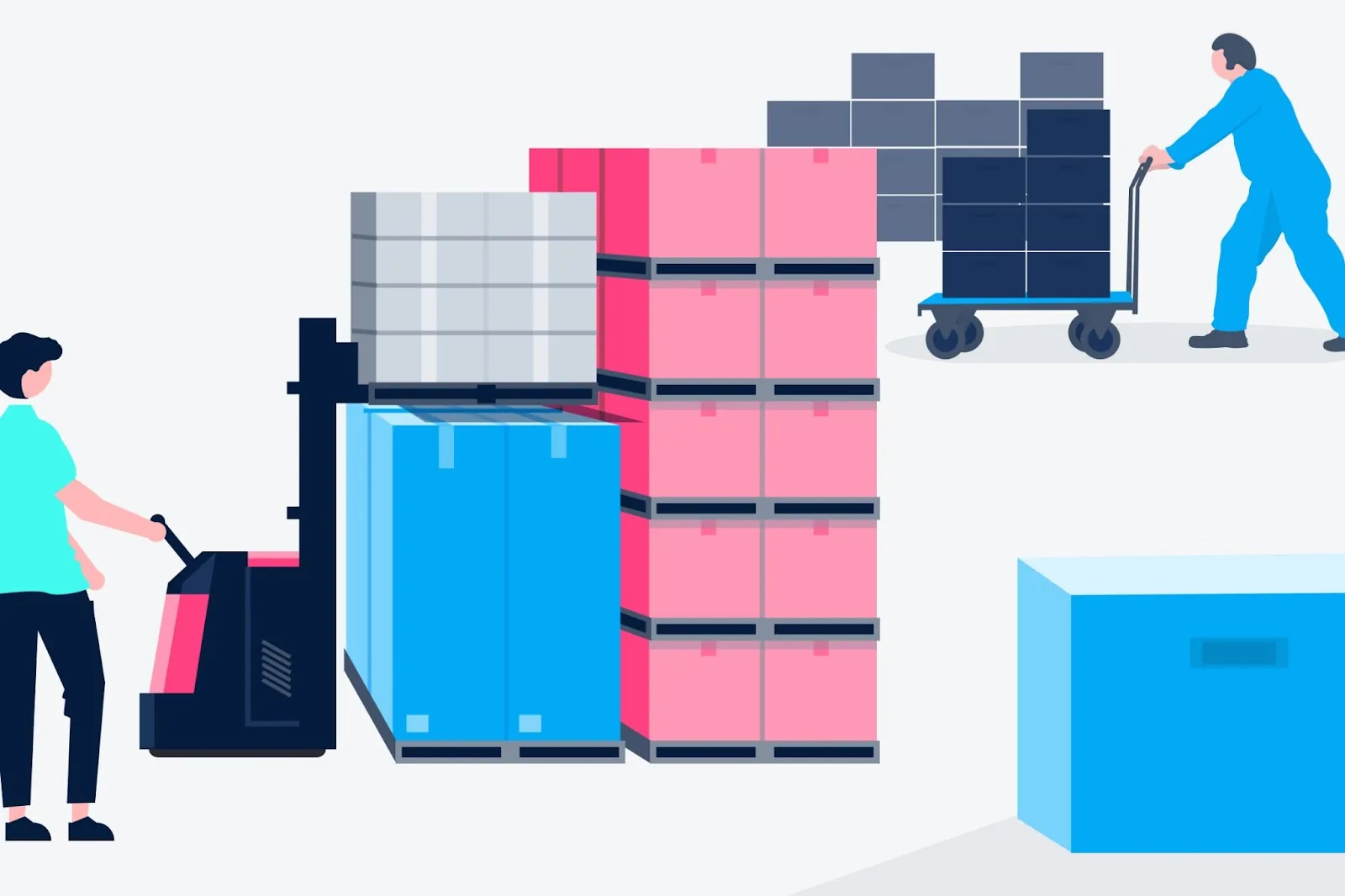
Raw materials, finished products, and waste materials all require designated storage areas. Efficient storage solutions not only save space but also contribute to a smoother workflow.
Buckle up, shed entrepreneurs, because we're venturing into the labyrinth of local regulations and zoning laws. This might not be the most exhilarating part of setting up your business, but it is undeniably critical. You really don't want to find yourself in a legal quagmire after discovering your chosen location breaches local zoning laws. Not a fun day at the office.
Understanding Local Regulations
Local regulations are rules set by your local government that dictate where and how you can operate your business. These rules can cover a multitude of aspects including business hours, noise levels, and types of businesses allowed in specific areas. Yes, it might seem overwhelming, but gaining a thorough understanding of these regulations is crucial for your business's long-term stability.
While you can usually find this information online on your local government's website, don't hesitate to reach out to your local Chamber of Commerce. They're there to guide you through the maze!
Navigating Zoning Laws
Zoning laws are another layer to this puzzle. These laws determine what a piece of land can be used for—residential, commercial, industrial, etc. So, if you're planning to open your shed business in a commercially zoned area, you're on the right track. But hold your horses—don't forget to double-check!
Zoning laws can sometimes feel like you're trying to decode a foreign language, with certain areas having specific subcategories of commercial zoning. Your local zoning office or the Chamber of Commerce can provide you with this information.
The Consequences and Environmental Concerns
Violating these laws can lead to penalties, lawsuits, and even closure of your business—events you'd obviously prefer to avoid. It's also worth noting that certain areas have environmental regulations in place to protect local ecosystems. Be sure to familiarize yourself with these, as violations can lead to hefty fines and bad publicity.
The Importance of Professional Consultation
Given the complexity and legal importance of these issues, it might be a good idea to consult with a real estate attorney. They can provide valuable guidance and help you ensure that your business is compliant with all local laws and regulations.
The bottom line—before you make any commitments, make sure you're fully aware of and compliant with all local regulations and zoning laws. Doing so will save you from potential heartache (and headaches) down the line.
Alright, that's enough red tape for one day. In the next section, we'll be talking about money, more specifically, cost considerations for your dream location.

Alright, we've talked about your target market, accessibility, size, layout, and zoning laws. But now comes the big question: How much is this going to cost? Just like buying a home, selecting the right location for your shed business is an exercise in balancing your budget with your needs and aspirations. Let's dive in.
Balancing Location Cost with Business Expenses
While it might be tempting to go all out on your dream location, remember, your business has other expenses, too. Hiring staff, buying materials, marketing, utilities—the list goes on. It's crucial to budget wisely so that your location costs don't become a burden that restricts other aspects of your business.
As a rule of thumb, aim to keep your location or rent costs to around 5-10% of your gross revenue. However, remember this is not a one-size-fits-all figure. The exact percentage can depend on a variety of factors including your overall costs, your sales volumes, and your profit margins.
Remember, location is just one part of the equation. You could have the best spot in town, but if you don't have enough funds left over to adequately run your business, it's not going to work out.
Factors Influencing Location Cost
Numerous factors can influence the cost of a location. Being in the city center with high foot traffic and visibility can be great for attracting customers, but the rental or purchase price will reflect that. On the flip side, while the outskirts of town might offer cheaper options, consider whether lower visibility and potential accessibility issues might impact your sales.
Here are some factors that could influence location costs:
A wise man once said, "The best investment is in the tools of one's own trade." When it comes to your shed business, your location is one of the most important tools you have. So, spend time weighing these considerations carefully.
Coming up next, we're going to look at how all these factors come together in the real world with some case studies of successful shed businesses and their locations.

To sum up, here's what we've covered in this guide:
Remember, the perfect location for your shed business is a fine balance between cost, visibility, and size, and most importantly, it should align with your business goals and serve your target market effectively.
Up next in our series: "Building Your Team: Hiring and Staffing Considerations". Now that you've got the perfect spot for your shed business, let's delve into gathering the right team to bring your vision to life!
Casey Wiggins ran a lot before he ran a shed factory. His playbook for turning a dealer from first contact into a partner who stays, and keeping them busy.
What a customer really costs, what a healthy return on ad spend looks like, where budget leaks, and how to show up when buyers ask AI instead of Google.
A $40M custom home builder on why he wins as the highest bid, and how shed dealers can sell their best models without cutting the price.
See how real shed businesses scale and simplify with Shed Suite.
See how Stor-Mor successfully scaled from manually tracking leads on spreadsheets to managing over 300 dealers.
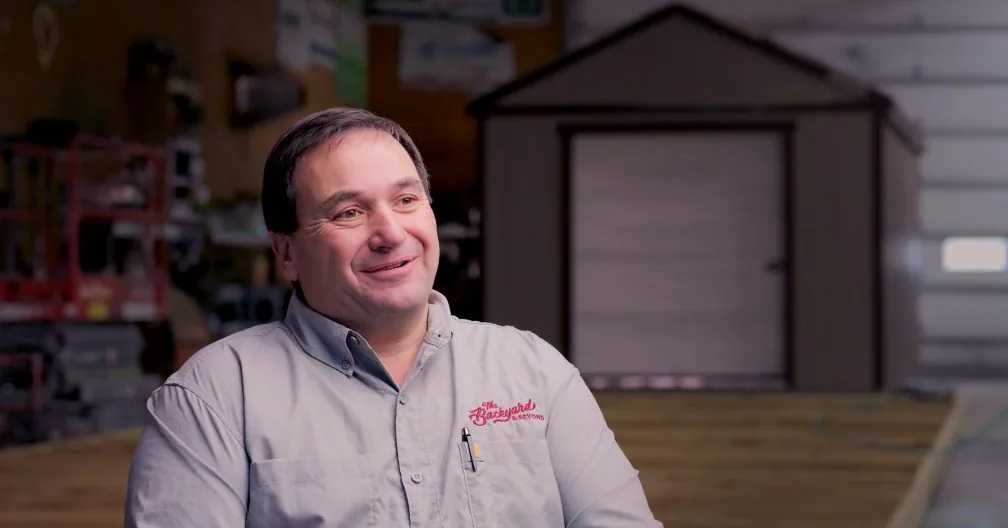
See how Backyard unified their e-commerce sales, inventory, and delivery teams using Shed Suite's all-in-one platform.
See how Legacy successfully automated sales, simplified inventory management, and improved delivery tracking to scale seamlessly.
See how Westwood Sheds replaced spreadsheets and PDF order forms with Shed Suite, then grew to 11 sales locations across two states.
See how Liberty Sheds put sales, production, customer success, and dispatch on one system. Now they close sales remotely and reconcile inventory by running a report.
Shed Suite clients see an average growth of 81% in their first year.
See how we do it — book a 30-minute demo.
Average sales growth across all Shed Suite clients, the 12 months before vs. after joining Shed Suite. As of 2026.
“We come from the shed industry and built this for y’all. We’d love to show you what we do, how it works, and how it’ll make every team member’s life so much easier and smoother.”

Jason Graber
Shed Suite Founder